Looking for podcast recorders under 100 that are easy to use, portable, and good enough for real-world recording? The right budget device can make a big difference in voice clarity, noise handling, and workflow.
From compact voice recorders to simple podcast-ready handhelds, this roundup focuses on value, usability, and the features that matter most for creators on a budget.
Best 10 Podcast Recorders Under 100 Picks for 2026
Simple Two-Mic Starter
Zoom PodTrak P2 2-USB Mic Podcast Recorder

- Two USB mic inputs with two headphone outputs
- Mix-Minus for call-in guests with less echo
- AI noise reduction plus individual-track SD recording
Best For: Two-person podcasts and portable interview setups
Portable Stereo Capture Pick
Xvive XV1-R Portable Stereo Recorder Interface

- 32-bit float and 24-bit recording up to 96kHz
- Records directly to microSD cards up to 128GB
- USB-C interface mode plus limiter, gate, and lo-cut
Best For: Portable stereo recording and interface work
Budget Voice Memo Option
Sony ICD PX333 Digital Voice Recorder

- 4GB internal memory with microSD expansion
- Up to 55 hours of battery life
- Mono MP3 recording with noise reduction
Best For: Simple backups, voice memos, and basic spoken-word capture
Best Ultra-Portable Float Recorder
Zoom H1essential Stereo Handy Recorder

- 32-bit float recording with no gain setting needed
- Built-in X/Y mics capture stereo audio up to 120 dB SPL
- USB microphone mode for PC, Mac, iOS, and Android
Best For: Solo recording and compact stereo podcast capture
Studio-Ready Handheld
PHILIPS DVT7500 VoiceTracer Audio Recorder

- High-quality microphones for detailed audio
- 24-bit/96kHz recording with XLR and line-in
- Rechargeable battery for longer sessions
Best For: Podcasters who want flexible inputs and high-fidelity recording
Large-Storage USB-C Pick
128GB Digital Voice Recorder with USB-C

- Built-in USB-C for easy file transfer
- 128GB storage with long battery life
- Voice-activated mode plus noise reduction
Best For: Budget users who need simple, high-capacity voice recording
Portable Stereo Creator Pick
- X/Y stereo mics with 32-bit float capture
- USB-C mic mode for podcasts and calls
- Works with cameras, computers, and phones
Best For: Podcasters and creators who want a compact stereo recorder
Premium Long-Run Recording

- 1536 kbps PCM recording with noise reduction
- 136GB total storage with included 128GB card
- Up to 68 hours of continuous recording
Best For: Long meetings, lectures, and interview sessions
Magnetic Everyday Recorder

- 72GB memory with up to 7,600 hours storage
- DSP noise reduction and voice activation
- About 35g with a magnetic back
Best For: Quick meetings, classes, and portable voice notes
Simple Budget Voice Capture
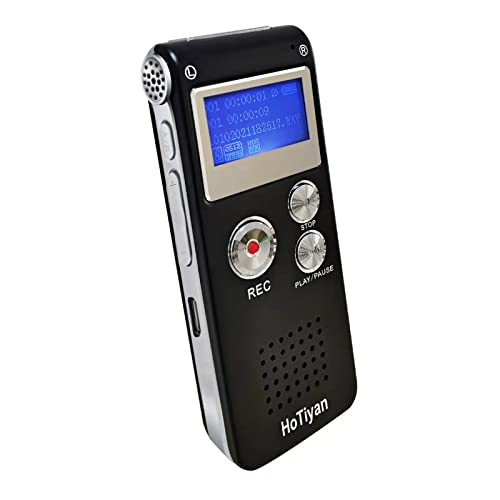
- Noise reduction and sensitive microphone
- Voice-controlled recording saves space
- Playback, A-B repeat, and password protection
Best For: Budget-friendly class and meeting recording
Simple Two-Mic Starter – Zoom PodTrak P2 2-USB Mic Podcast Recorder
If you want podcast recorders under 100 that keep setup simple, the Zoom PodTrak P2 is built for quick two-person sessions. It lets you plug in two USB mics, add a remote caller through phone or computer, and record while streaming, all with built-in tools that help reduce post-production work.
Best For: Two-person podcasts, remote interviews, and creators who want an easy portable setup.
Pros:
- Two USB mic inputs and two headphone outputs for a straightforward dual-host setup
- Built-in Mix-Minus helps remove echo and feedback when bringing in a call-in guest
- AI noise reduction, tone shaping, compressor, and de-esser help clean up voices
- Records individual tracks to SD card and supports live streaming at the same time
Cons:
- Runs up to 4 hours on AA batteries, so long sessions may need external power
- Designed around two mics, so it is not the best fit for larger group shows
The P2 stands out if you value speed and simplicity over a more complex mixer-style workflow. For compact podcasting under 100, it covers the basics well and adds useful cleanup features for polished results.
Portable Stereo Capture Pick – Xvive XV1-R Portable Stereo Recorder Interface
Among podcast recorders under 100, the Xvive XV1-R is a strong choice if you want flexible stereo capture in a compact body. It records in 24-bit or 32-bit float up to 96kHz, saves directly to microSD, and can also work as an audio interface over USB-C.
Best For: Creators who need portable stereo recording, interface use, and extra headroom for unpredictable audio levels.
Pros:
- 24-bit and 32-bit float recording up to 96kHz for high-quality capture
- Direct recording to microSD, microSDHC, or microSDXC cards with support up to 128GB
- USB-C dual-function port lets it work as a recorder or audio interface
- Onboard limiter, noise gate, and lo-cut filter add practical sound control
Cons:
- Stereo 1/8-inch input may not suit multi-mic podcast setups
- It is more of a field recorder and interface than a dedicated podcast console
If your workflow leans toward mobile recording, video capture, or high-headroom stereo audio, the XV1-R offers a lot of capability in a small package. It is a versatile option, especially when you need one recorder to do several jobs.
Budget Voice Memo Option – Sony ICD PX333 Digital Voice Recorder
If your search for podcast recorders under 100 is really about a simple backup recorder, the Sony ICD PX333 keeps things very basic. It records mono MP3 files, includes 4GB of internal flash memory, and supports microSD expansion for more storage when you need it.
Best For: Note-taking, backup voice capture, and very simple spoken-word recording.
Pros:
- 4GB internal memory with a microSD expansion slot
- Very long battery life, rated up to 55 hours
- Intelligent Noise Cut and track mark features help manage recordings
- USB transfer makes it easy to move files to a computer
Cons:
- Records mono MP3s rather than full stereo audio
- Uses a 2.5mm headphone jack, which is less common than 3.5mm
- More of a voice recorder than a dedicated podcasting tool
This model makes sense when battery life and simplicity matter more than advanced podcast features. For spoken-word capture on a tight budget, it is a practical, no-frills recorder.
Best Ultra-Portable Float Recorder – Zoom H1essential Stereo Handy Recorder
For creators comparing podcast recorders under 100, the Zoom H1essential is a compact option focused on clean stereo capture. Its 32-bit float recording removes the need to set gain, and the built-in X/Y microphones are designed to capture audio clearly up to 120 dB SPL.
Best For: Solo podcasters, mobile creators, and anyone who wants simple high-quality stereo recording.
Pros:
- 32-bit float recording means no gain setting is needed
- Built-in X/Y microphones capture clean stereo audio up to 120 dB SPL
- Records up to 96kHz to SD card and works as a USB microphone
- USB-C support covers PC, Mac, iOS, and Android devices
Cons:
- No headphones jack is included for direct monitoring
- It is a stereo handheld recorder, not a multi-input podcast mixer
The H1essential is best when portability and simplicity matter more than extra inputs. If you want a small recorder that can double as a USB mic, it delivers a very usable feature set for the price.
Studio-Ready Handheld – PHILIPS DVT7500 VoiceTracer Audio Recorder
If you’re comparing podcast recorders under 100 and want the strongest audio-focused feature set in this list, the PHILIPS DVT7500 stands out for its high-quality microphones and 24-bit/96kHz recording. It also gives you XLR and line-in connections, which is useful if you want to capture external instruments or other sound sources in a more flexible setup.
Best For: Podcasters who want an audio-forward recorder with external input options.
Pros:
- High-quality microphones designed for excellent, high-fidelity audio
- 24-bit/96kHz sampling rate for detailed recordings
- XLR and line-in connectors for external sources
- Rechargeable battery supports longer recording sessions
Cons:
- Priced like a more advanced recorder than some basic budget options
- Only 16 GB of built-in storage
- May be more than you need if you only want simple voice notes
Overall, this is the most feature-rich audio recorder here for users who care about input flexibility and clean sound capture. If your podcast workflow includes more than basic spoken-word recording, it offers a solid set of tools in a compact handheld design.
Large-Storage USB-C Pick – 128GB Digital Voice Recorder with USB-C
For podcast recorders under 100 that prioritize convenience and storage, this 128GB digital voice recorder is built around easy USB-C use and simple one-touch recording. It also includes voice-activated mode, which can help trim silent gaps when you’re capturing interviews, meetings, or rough podcast ideas.
Best For: Budget buyers who want huge storage and fast USB-C file transfers.
Pros:
- Built-in USB-C connector makes transfers and playback simple
- 128GB storage supports up to 9,800 hours at low bitrate settings
- Voice-activated mode helps reduce silent sections
- Includes DSP noise reduction and a 360° microphone
Cons:
- Mono microphone operation is less ideal than stereo for podcasting
- Sound is optimized more for voice capture than creative recording flexibility
- Best results depend on low-bitrate storage mode for maximum capacity
This is a practical pick if your main goal is to capture long-form spoken audio without worrying about storage. It leans more toward utility than studio polish, but the USB-C design and included accessories make it easy to live with.
Portable Stereo Creator Pick – Zoom H1 Essential Recorder
Among podcast recorders under 100, the Zoom H1 Essential is the most creator-friendly option here because it is built for podcasts, interviews, and content work. Its X/Y stereo mics, 32-bit float capture, and USB-C mic mode make it a versatile recorder for spoken audio, livestreams, and desktop or mobile recording.
Best For: Podcasters and content creators who want a compact stereo recorder with USB mic mode.
Pros:
- X/Y stereo microphones for clear, natural-sounding voice capture
- 32-bit float and USB-C microphone mode for flexible workflows
- Works with cameras, computers, and smartphones
- Lightweight portable design at 92 g
Cons:
- Uses two AAA batteries instead of a built-in rechargeable battery
- 10-hour recording time is shorter than some voice recorders
- No XLR input support listed
This Zoom model is the best fit if you want something specifically aimed at podcasting and content creation, not just voice memos. It balances portability, stereo capture, and USB microphone convenience in a way that suits a lot of modern podcast setups.
Premium Long-Run Recording – Tonfarb 136GB Voice Recorder
If you want one of the more capable podcast recorders under 100 for interviews, lectures, or field notes, this Tonfarb model stands out for its large included storage and strong battery life. It focuses on clean speech capture with dual noise reduction microphones, PCM recording, and voice-activated recording, which makes it a practical pick when you need reliable spoken-word audio without much setup.
Best For: Users who want a high-capacity recorder for long meetings, classes, or interview sessions.
Pros:
- Supports 1536 kbps PCM HD recording with automatic noise reduction.
- Includes 8GB built-in storage plus a 128GB TF card for 136GB total capacity.
- Claims up to 68 hours of continuous recording per charge.
- One-click record/save, USB-C transfer, and voice-activated recording add convenience.
Cons:
- Bulkier than ultra-compact recorders at about 97 grams.
- Its feature set is focused on recording, not advanced editing.
Overall, this is a strong choice if your priority is storage, endurance, and simple speech recording in one portable device. It looks especially appealing for users who record long sessions and want fewer interruptions for charging or file management.
Magnetic Everyday Recorder – 72GB DSP5.0 Voice Recorder
For buyers comparing podcast recorders under 100, this compact magnetic recorder is aimed at simple, dependable voice capture with very little fuss. It combines DSP noise reduction, voice activation, and a huge 72GB memory pool, making it a practical option for notes, meetings, classes, and quick interview recordings when portability matters.
Best For: People who want a lightweight recorder that can attach to metal surfaces and run for long sessions.
Pros:
- 72GB storage supports up to 7,600 hours at low bitrate.
- Voice activation and DSP noise reduction help capture clearer speech.
- Very lightweight at about 35g with a magnetic back for easy placement.
- USB-C transfer and included accessories make setup and file handling straightforward.
Cons:
- Low-bitrate storage claims are the main headline, so higher-quality use will reduce capacity.
- Its simple one-button design offers fewer controls than more feature-rich recorders.
This is a sensible pick if you want a grab-and-go recorder for everyday spoken audio and value magnetic mounting more than extra menus or complex controls. It should suit users who want a straightforward recording tool with strong battery and storage headroom.
Simple Budget Voice Capture – HoTiyan 8GB Digital Recorder
If you need one of the more affordable podcast recorders under 100 for basic speech capture, this HoTiyan recorder keeps things simple. It offers noise reduction, a sensitive microphone, voice-controlled recording, and playback features, so it works well for lectures, meetings, and interviews where straightforward operation matters more than premium extras.
Best For: Budget buyers who want an easy-to-use recorder for classes, meetings, and casual interviews.
Pros:
- Higher-sensitivity microphone with noise reduction for clearer spoken audio.
- Voice-controlled recording helps save space by stopping during quiet moments.
- Includes playback, A-B repeat, variable speed, and password protection.
- 8GB storage supports multiple recording bitrate options up to 560 hours claimed.
Cons:
- Built-in storage is smaller than the larger-capacity options in this roundup.
- Micro USB is less convenient than newer USB-C on some competing models.
This model makes sense if you mainly want a low-cost recorder that covers the basics well. It is best viewed as a practical everyday tool for note-taking and spoken-word recording rather than a feature-heavy content creation device.
How We Picked These Podcast Recorders Under 100
We focused on practical features that matter most for everyday recording: microphone quality, portability, storage options, battery life, ease of use, and noise reduction. For Podcast Recorders Under 100, simple controls and reliable file handling often matter more than flashy extras.
We also favored devices that can handle more than one use case, such as interviews, lecture capture, field notes, and basic podcast production. That makes them more useful for creators who need one recorder to do several jobs.
Quick Comparison
In this price range, the main differences come down to how you plan to record. USB podcast tools and handheld stereo recorders are better for clearer spoken-word sessions, while voice-activated units are more convenient for meetings and note-taking. Higher-storage models may appeal to users who record often, but storage alone does not guarantee better audio.
If you want the simplest path to podcasting, look for clean mic inputs, stable gain control, and low-noise recording. If you need a flexible backup recorder, prioritize portability, battery efficiency, and file transfer convenience.
Key Buying Factors for Podcast Recorders Under 100
Microphone and Input Options
Check whether the recorder uses a built-in mic, supports external mics, or offers USB connectivity. For spoken-word content, external mic support can improve results more than extra storage or higher file counts.
Noise Handling and Audio Quality
Noise reduction helps, but it is not a replacement for good mic placement. Look for models with clear voice capture, adjustable levels, and, where available, stereo recording or 32-bit float support for more forgiving recordings.
Storage and File Transfer
SD card support, USB-C, and easy file access can save time after recording. If you record long sessions, make sure the device offers enough storage flexibility and straightforward export options.
Battery Life and Portability
For travel, interviews, or field use, compact size and long battery life matter a lot. The best Podcast Recorders Under 100 are usually lightweight enough to carry daily without adding much setup friction.
Who Should Buy Which Podcast Recorders Under 100?
Solo podcasters and creators should look for a recorder with clean voice capture, simple controls, and dependable transfer options. Interviewers may benefit from portable stereo recorders or models with flexible input support. Students, journalists, and professionals who need quick note-taking may prefer voice-activated recorders with long battery life and large storage.
If you are building a budget podcast setup, choose the device that best matches your workflow rather than chasing the longest feature list. The right recorder is the one that makes it easiest to capture clear audio every time.