The best mini refrigerators make it easier to keep snacks, drinks, and everyday essentials cold without giving up the space required by a full-size appliance. The right model depends on where you will use it, how much you need to store, and whether a freezer matters.
We selected 10 compact refrigerators spanning quiet bedroom units, dorm-friendly models, beverage coolers, and larger two-door options. Use the comparisons below to narrow your choices by capacity, layout, convenience features, and intended use.
Best 10 Mini Refrigerators Picks for 2026
Best Balanced Mini Refrigerator

- 3.2 cu. ft. capacity with a compact footprint
- Quiet 38 dB operation and Energy Star certification
- Reversible door, adjustable shelves, and small freezer
Best For: Dorms, bedrooms, offices, and apartments needing balanced storage
Best Spacious Mini Refrigerator
Frigidaire 4.5 Cu. Ft. Platinum Series
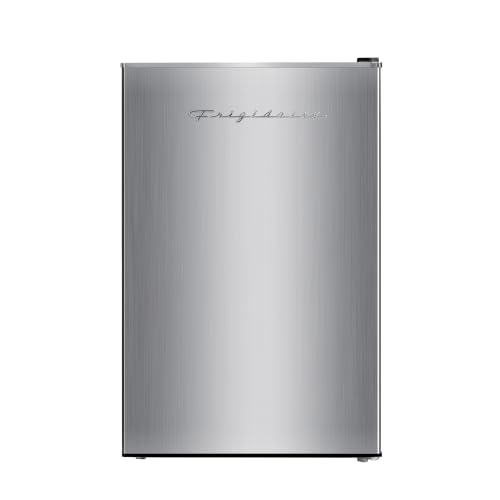
- Roomy 4.5 cu. ft. interior for food and beverages
- Glass shelves, can dispenser, and 2-liter door basket
- Stainless-steel door with reversible placement
Best For: Users wanting maximum storage in a compact refrigerator
Best Compact Mini Refrigerator

- Small 1.6 cu. ft. footprint for tight spaces
- Quiet operation under 42 dB
- Reversible door and removable glass shelf
Best For: Personal drink and snack storage in bedrooms, dorms, and offices
Best Chiller Storage Mini Refrigerator
BLACK+DECKER 3.2 Cu. Ft. BCRK32B

- 3.2 cu. ft. capacity with a 0.9 cu. ft. chiller
- Two removable glass shelves and flexible door bins
- Reversible door and Energy Star certification
Best For: Dorms, offices, home bars, apartments, and RV campers
Best Value Freezer Combo
3.2 Cu. Ft. Mini Fridge with Freezer

- 3.2 cu. ft. capacity with a 0.35 cu. ft. freezer
- Reversible door and adjustable glass shelves
- ETL certified with a simple mechanical thermostat
Best For: Dorms, bedrooms, and offices needing affordable chilled and frozen storage
Best Beverage Storage

- Stores up to 126 cans in 3.2 cu. ft.
- Digital controls adjust from 34°F to 64°F
- Glass door, LED lighting, and four removable shelves
Best For: Home bars, offices, and entertaining areas focused on beverage storage
Best Two-Zone Design
Feelfunn 3.2 Cu. Ft. Mini Fridge

- 2.24 cu. ft. fridge plus a 0.96 cu. ft. freezer
- Quiet operation rated at 38 dB or less
- Crisper drawer, LED light, and reversible doors
Best For: Dorms, bedrooms, RVs, and offices needing substantial freezer space
Best with Extra Features

- 3.2 cu. ft. beverage storage for up to 130 cans
- 37°F–61°F digital temperature control
- Five removable shelves and reversible door
Best For: Home bars, offices, and organized drink storage
Best Two-Door Food Storage
3.5 Cu. Ft. Mini Fridge With Freezer

- Separate 1.2 cu. ft. top freezer
- Seven adjustable temperature settings
- Removable glass shelves for flexible storage
Best For: Dorms, apartments, offices, and small kitchens
Best Simple Compact Option

- 3.2 cu. ft. total capacity with freezer compartment
- Compressor cooling from 32°F to 50°F
- Two glass shelves and mechanical thermostat
Best For: Basic food and drink storage in homes, dorms, or offices
Best Balanced Mini Refrigerator – Upstreman 3.2 Cu. Ft. BR321
The Upstreman BR321 is one of the more versatile mini refrigerators for dorms, bedrooms, offices, and apartments. Its 3.2-cubic-foot capacity combines a 2.9-cubic-foot fresh-food area with a 0.3-cubic-foot freezer compartment while maintaining a relatively compact footprint.
Best For: Buyers who want balanced storage, a small freezer, quiet operation, and flexible placement in a compact room.
Pros:
- Two adjustable glass shelves, a crisper drawer, and three door shelves support flexible organization.
- Five temperature settings range from 32°F to 50°F for different cooling needs.
- Reversible door and adjustable leveling feet make placement easier.
- 38 dB operation and Energy Star certification suit bedrooms, dorms, and offices.
Cons:
- The 0.3-cubic-foot freezer is limited for frozen-food storage.
- Manual defrost requires periodic maintenance.
- The notes state it is not suitable for storing ice cream or ice cubes.
With its useful organization features and quiet, energy-conscious operation, the BR321 is a practical all-around mini refrigerator. It is especially appealing when you need fresh-food storage plus a compact freezer without moving up to a full-size appliance.
Best Spacious Mini Refrigerator – Frigidaire 4.5 Cu. Ft. Platinum Series
The Frigidaire Platinum Series stands out among mini refrigerators for its relatively roomy 4.5-cubic-foot capacity. A flush-back design, stainless steel door, glass shelves, can dispenser, and 2-liter door basket make it a strong choice for organized drink and snack storage.
Best For: Shoppers who prioritize maximum compact-fridge storage and a polished stainless-steel look for a dorm, office, apartment, or entertainment space.
Pros:
- 4.5 cubic feet of capacity provides more room for bottles, cans, snacks, and food.
- Includes glass shelves, a 2-liter door basket, can dispenser, and chiller compartment.
- Reversible door and leveling legs allow more flexible placement.
- Energy Star certification and a one-year warranty add practical value.
Cons:
- At 21 inches deep and 22 inches wide, it needs more space than smaller models.
- The chiller compartment is compact at 0.3 cubic feet.
- Manual defrost requires occasional upkeep.
The Frigidaire is a good fit when capacity matters more than the smallest possible footprint. Its organized interior and stainless-steel styling make it particularly suitable for shared spaces, entertaining areas, and users who keep more beverages and fresh food on hand.
Best Compact Mini Refrigerator – Midea 1.6 Cu. Ft. WHS-65LB1
The Midea WHS-65LB1 is a compact mini refrigerator designed for spaces where every inch matters. Its 1.6-cubic-foot interior includes a chiller box, bottle rack, and removable glass shelf, while its small dimensions suit bedrooms, dorms, garages, apartments, and kitchens.
Best For: Individuals who need a small personal fridge for drinks, fruit, and everyday food without taking up much floor space.
Pros:
- Compact 18.6-by-17.7-by-19.4-inch design fits tight spaces.
- Mechanical thermostat supports cooling from 28.4°F to 35.6°F.
- Reversible door and removable shelf improve placement and storage flexibility.
- Energy Star certified and rated below 42 dB for efficient, quiet operation.
Cons:
- The 1.6-cubic-foot capacity is limited for multiple users or larger food loads.
- It has only one shelf and one door shelf.
- The chiller box is not a full-size freezer.
This Midea is a sensible choice for personal cooling rather than bulk storage. Its small footprint, quiet operation, and reversible door make it easy to place beside a bed, under a work area, or in another space where larger mini refrigerators would be cumbersome.
Best Chiller Storage Mini Refrigerator – BLACK+DECKER 3.2 Cu. Ft. BCRK32B
The BLACK+DECKER BCRK32B is a practical mini refrigerator for dorm rooms, offices, home bars, apartments, and RV campers. It offers 3.2 cubic feet of total capacity, two removable glass shelves, door bins, and a relatively large 0.9-cubic-foot chiller compartment.
Best For: Users who want a compact refrigerator with flexible fresh-food organization and more dedicated chiller space than many similarly sized models.
Pros:
- Two removable glass shelves make it easier to store larger or taller items.
- Full- and half-width door bins accommodate cans, small containers, and 2-liter bottles.
- The 0.9-cubic-foot chiller compartment provides useful extra cold-storage space.
- Reversible door, leveling legs, and Energy Star certification improve everyday practicality.
Cons:
- Fresh-food capacity is 2.2 cubic feet within the 3.2-cubic-foot total.
- Manual defrost requires periodic maintenance.
- Its 49.9-pound weight may make repositioning less convenient.
The BCRK32B offers a well-rounded layout for compact living, with particularly useful door storage and chiller capacity. It is a strong option for shoppers who want more than a beverage cooler but still need a freestanding refrigerator for a smaller room.
Best Value Freezer Combo – 3.2 Cu. Ft. Mini Fridge with Freezer
This compact 3.2-cubic-foot mini refrigerator is a practical choice for bedrooms, offices, and dorm rooms when you need both chilled and frozen storage. Its separate 0.35-cubic-foot freezer, adjustable shelves, and reversible door make it easy to organize and position in smaller spaces.
Best For: Budget-conscious shoppers who want a compact refrigerator with basic freezer space for ice, frozen goods, beverages, and everyday food.
Pros:
- 3.2 cubic feet of total storage with a dedicated freezer compartment.
- Reversible door supports left- or right-opening layouts.
- Adjustable glass shelves and door bins offer flexible organization.
- ETL certified and designed for standard 115V/60Hz power.
Cons:
- Manual defrosting requires periodic maintenance.
- The freezer is intended primarily for ice making and short-term frozen storage.
- Temperature control uses a basic mechanical dial rather than digital controls.
With its useful freezer compartment, flexible door placement, and modest stated daily energy use, this model covers the essentials without taking up much floor space. It is a straightforward mini refrigerator for users who prioritize practical storage over premium features.
Best Beverage Storage – 126-Can Mini Refrigerator
Designed specifically for drinks, this 3.2-cubic-foot mini refrigerator can hold up to 126 cans and uses four removable shelves for customizable storage. Its glass door, digital temperature controls, and interior LED lighting make it especially convenient for home beverage areas, offices, or entertainment spaces.
Best For: Shoppers who primarily need organized, visible storage for soda, beer, wine, and other beverages rather than a freezer.
Pros:
- Advertised capacity of up to 126 cans.
- Digital temperature adjustment from 34°F to 64°F.
- Tempered glass door with low-E film and a high-seal gasket.
- Four removable shelves, LED interior lighting, and a reversible hinge.
Cons:
- Freezerless design is not suited to frozen-food storage.
- Manual defrosting is listed in the product details.
- Its stated annual energy consumption is higher than some smaller basic mini fridges.
The precise temperature panel and front-facing glass door give this beverage cooler a more specialized presentation than a conventional dorm fridge. Choose it when drink capacity, visibility, and shelf flexibility matter more than freezer space.
Best Two-Zone Design – Feelfunn 3.2 Cu. Ft. Mini Fridge
This Feelfunn mini refrigerator combines a 2.24-cubic-foot fresh-food section with a larger 0.96-cubic-foot freezer in a compact two-zone design. Adjustable shelves, a crisper drawer, interior LED lighting, and reversible doors make it well suited to dorms, bedrooms, offices, RVs, and garages.
Best For: Individuals or small households that need meaningful freezer capacity alongside everyday refrigerated food storage.
Pros:
- Separate 2.24-cubic-foot refrigerator and 0.96-cubic-foot freezer zones.
- Three thermostat levels support separate stated temperature ranges for chilled and frozen foods.
- Runs at a listed noise level of 38 dB or less.
- Includes adjustable glass shelves, a crisper drawer, LED lighting, and reversible doors.
Cons:
- Manual defrosting is required.
- Its stated daily energy use is higher than the first compact freezer-combo model.
- The manufacturer recommends keeping it upright for 6–12 hours before plugging it in after transport.
This model offers one of the more useful freezer layouts among these mini refrigerators, while its quiet operation and adjustable legs suit living spaces. It is a strong option when frozen-food storage is a priority but a full-size refrigerator is impractical.
Best with Extra Features – EUHOMY 130-Can Mini Fridge
For shoppers seeking mini refrigerators dedicated to drinks, the EUHOMY beverage refrigerator offers 3.2 cubic feet of customizable, freezerless storage. Its five removable shelves, digital temperature control, glass door, and compressor cooling make it suited to organized beverage storage in a home bar, office, kitchen, or bedroom.
Best For: Organizing canned and bottled drinks, beer, soda, or wine.
Pros:
- Holds up to 130 standard cans with five removable shelves.
- Digital temperature control adjusts from 37°F to 61°F.
- Reversible door, adjustable feet, and built-in handle support flexible placement.
- Operates at a reported 36dB and uses about 0.69 kWh per day.
Cons:
- Freezerless design is intended for beverages rather than frozen food.
- The unit should stand upright for 24 hours before initial use.
The EUHOMY is a focused choice if your priority is drink capacity and presentation rather than general food storage. Its glass door and adjustable shelving add convenience, while the compact freestanding design works in several rooms.
Best Two-Door Food Storage – 3.5 Cu. Ft. Mini Fridge With Freezer
Among mini refrigerators for dorms, offices, apartments, and smaller kitchens, this 3.5-cubic-foot compact refrigerator stands out for its separate top freezer and refrigerator compartments. Two removable glass shelves and seven temperature settings provide flexibility for fresh and frozen foods.
Best For: Shoppers who need both refrigerated and frozen storage in a compact unit.
Pros:
- Separate 1.2-cubic-foot top freezer compartment.
- Two removable glass shelves accommodate different item sizes.
- Seven temperature settings cover refrigerator and freezer needs.
- Includes ice cube trays and ice spoons.
Cons:
- Manual defrosting is required.
- Its 549 kWh annual energy consumption is relatively high among the listed options.
- The right-hinged door may limit placement flexibility.
This model is a practical pick when freezer space matters as much as fresh-food storage. Its two-door layout is convenient, though buyers should account for manual defrosting and the listed energy consumption.
Best Simple Compact Option – Igloo 3.2 Cu. Ft. Mini Fridge
The Igloo 3.2-cubic-foot mini refrigerator combines fresh-food storage with a small separate freezer compartment in a compact single-door design. Its compressor cooling, adjustable mechanical thermostat, and glass shelves make it a straightforward option for homes, dorms, and offices.
Best For: Everyday snack, drink, and limited frozen-food storage.
Pros:
- Provides 3.2 cubic feet of total capacity.
- Separate 0.2-cubic-foot freezer compartment stores frozen foods.
- Compressor cooling covers a listed range of 32°F to 50°F.
- Includes two glass shelves and adjustable mechanical temperature control.
Cons:
- The freezer compartment is smaller than the refrigerator section.
- The door is left-hinged, which may restrict placement options.
- Static cooling uses no fan, so temperature distribution may be less actively circulated.
The Igloo offers a balanced, uncomplicated layout for basic cold storage without the footprint of a full-size refrigerator. It is especially suitable when you want a compact freezer compartment but do not need extensive frozen-food capacity.
How We Picked These Mini Refrigerators
We focused on practical differences that matter in compact spaces: usable capacity, freezer configuration, shelf adjustability, temperature control, energy efficiency, noise considerations, door design, and overall versatility. The selection includes compact single-door refrigerators, two-door models with separate freezers, and beverage-focused coolers so shoppers can compare different designs rather than one narrow category.
Product claims such as Energy Star certification, can capacity, and listed dimensions should be verified against the current manufacturer or retailer specifications before purchase. Cooling performance can also vary with room temperature, ventilation, and how frequently the door is opened.
Quick Comparison
| Best For | What to Prioritize | Recommended Type |
|---|---|---|
| Dorms and bedrooms | Compact footprint, low noise, and a freezer compartment | 1.6- to 3.2-cubic-foot mini fridge |
| Shared offices or apartments | More storage and adjustable shelving | 3.2- to 4.5-cubic-foot refrigerator |
| Drinks and entertaining | Can capacity, glass visibility, and easy organization | Beverage refrigerator |
| Frozen food storage | Separate freezer space and stronger compartment organization | Two-door compact refrigerator |
Key Buying Factors for Mini Refrigerators
Capacity and Dimensions
Check both the advertised cubic-foot capacity and the exterior measurements. Measure the intended location, including clearance for the door to open and room around the appliance for ventilation. A smaller unit may fit better under a desk or counter, while a 3.2- to 4.5-cubic-foot model generally offers more useful storage for multiple people.
Freezer Layout
Some Mini Refrigerators include a small freezer compartment suitable for ice, frozen meals, or short-term storage. A separate freezer section in a two-door model is usually more convenient and better organized, but it requires additional floor space. Beverage-only models typically prioritize chilled cans and bottles instead of frozen storage.
Temperature Control and Organization
Look for adjustable thermostats and removable or repositionable shelves. These features make it easier to accommodate tall bottles, food containers, and irregularly shaped items. Glass shelves can help contain spills, while door bins add convenient space for frequently used drinks.
Noise, Efficiency, and Placement
For bedrooms, nurseries, and quiet offices, a low-noise design is especially important. Energy-efficient models can reduce ongoing operating costs, but actual consumption depends on climate and usage. Keep any unit level and follow the required clearance guidelines rather than pushing it tightly against a wall.
Who Should Buy Which Mini Refrigerators?
Choose a small 1.6-cubic-foot model if you need personal storage for a bedroom, office, or occasional-use space. Pick a 3.2-cubic-foot single-door refrigerator for a balanced combination of food, drinks, and compact dimensions. A two-door model is the better choice when frozen food is a regular part of your routine. For parties, break rooms, or drink-heavy storage, a beverage refrigerator with stated can capacity and a glass door may be more useful than a traditional mini fridge.
Before ordering, confirm the plug location, door swing, dimensions, interior shelf arrangement, warranty, and return policy. Those details often determine whether a compact refrigerator works well in the space where you plan to use it.