Choosing the right microphone preamp can make a bigger difference than upgrading your mic. The right model adds clean gain, reduces hiss, and helps low-output microphones perform their best.
Below, we focus on popular in-line boosters, channel-strip options, and versatile preamps for recording, streaming, and podcasting so you can match the right tool to your setup.
Best 10 Microphone Preamp Picks for 2026
Cloudlifter Gain Boost
Cloudlifter CL-1 Mic Activator

- Adds up to +25dB of clean gain
- Uses phantom power without sending it to passive mics
- Ideal for quiet vocals, podcasts, and studio recording
Best For: Dynamic and passive ribbon mic users needing a clean inline booster
Inline Class-A Booster
Triton Audio FetHead In-Line Preamp
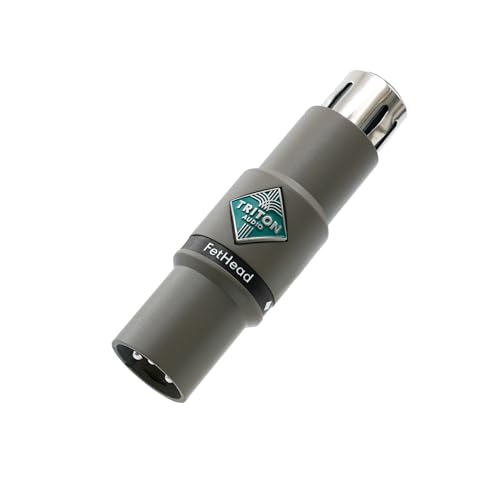
- Low-noise Class-A JFET amplifier
- Shielded enclosure for cleaner operation
- Compact in-line design for easy setup
Best For: Compact gain boost for low-output dynamic or ribbon mics
High-Gain Desktop Preamp

- Up to 75dB clean gain with 120dB EIN
- 48V phantom power for dynamic and condenser mics
- Balanced XLR and dual 3.5mm outputs
Best For: Users needing a high-gain preamp with flexible outputs
Phantom-Powered Booster

- Adds 25dB of clean gain to dynamic and ribbon mics
- Uses 48V phantom power from your interface or supply
- Good for podcasting, broadcast, studio, and live sound
Best For: Dynamic and ribbon mic users needing a clean gain booster
Dynamic Mic Booster
StudioMan DPM1 XLR Dynamic Microphones Preamp

- +29dB clean gain for dynamic and ribbon mics
- Reduces hiss by improving signal-to-noise ratio
- Metal inline XLR design requires 48V phantom power
Best For: Dynamic and ribbon mic users needing more clean gain
Rack Channel Strip
dbx DBX286SV Microphone Preamp

- Full channel strip with compression, de-esser, enhancer, and gate
- Rackmount 1U unit with XLR mic input and 1/4-inch line input
- Status LEDs help monitor levels and processor activity
Best For: Users who want a preamp with built-in vocal processing
Ultra-Compact Gain Boost
Microphone Pre-amplifier 28dB Signal Booster

- Adds 28dB gain for dynamic microphones
- Extremely small and lightweight inline design
- Simple booster with minimal setup demands
Best For: Buyers who want a compact inline gain booster
Dynamic Mic Signal Booster

- 25dB clean gain for dynamic and ribbon mics
- Balanced XLR I/O with 48V phantom power support
- Compact metal chassis with low-noise shielding
Best For: Dynamic and ribbon mic users needing a simple gain boost
Clean Entry-Level Boost

- 20dB clean gain for vocal and mic boosting
- Works with dynamic and condenser mics
- Compact black metal case helps reduce interference
Best For: Budget users wanting a simple low-noise mic booster
High-Gain Multi-Use Preamp

- Up to 66dB gain with -120dB EIN noise spec
- Works with dynamic, condenser, ribbon mics and instruments
- XLR/TRS/TS connectivity with Type-C power input
Best For: Users wanting a versatile preamp for mics and instruments
Cloudlifter Gain Boost – Cloudlifter CL-1 Mic Activator
If you need a microphone preamp-style gain boost for low-output mics, the Cloudlifter CL-1 is built to add clean level without changing the character of the source. It uses 48V phantom power to provide up to +25dB for passive mics while keeping phantom power off the mic itself, making it a practical option for quiet vocals, percussion, acoustic instruments, and podcasting setups.
Best For: Dynamic and passive ribbon mic users who want a clean inline gain boost for podcasting, streaming, studio recording, or live sound.
Pros:
- Delivers up to +25dB of ultra-clean gain.
- Uses phantom power without passing it to passive microphones.
- Helps reduce noise while improving clarity and signal strength.
- Compatible with tube, battery, or power-supply-driven microphones.
Cons:
- Requires phantom power from a compatible preamp or interface.
- Designed for passive mics, not a general-purpose mic preamp for all sources.
The CL-1 is a focused tool: simple, quiet, and aimed at giving weak microphone signals more usable level before they reach the rest of your chain. If your setup needs more gain without extra coloration, it fits that job well.
Inline Class-A Booster – Triton Audio FetHead In-Line Preamp
The Triton Audio FetHead is an in-line microphone preamp designed to add clean gain right at the mic connection. Its low-noise Class-A JFET amplifier and shielded enclosure make it a practical choice when you want to lift quiet dynamic or ribbon mic signals before they hit the main preamp.
Best For: Users who want a compact in-line gain booster for low-output microphones in studio or recording setups.
Pros:
- Low-noise Class-A JFET amplifier topology.
- Shielded enclosure helps reduce interference.
- Compact in-line design is easy to integrate.
- Built with 4 matched JFETs.
Cons:
- Less feature-rich than larger standalone mic preamps.
- Designed as an inline booster rather than a full recording interface.
If you want a small, practical microphone preamp solution for adding clean level at the source, the FetHead keeps the design simple and focused. It is best when your priority is boosting weak mic signals without adding a lot of bulk.
High-Gain Desktop Preamp – MIC-1 Ultra Low Noise Preamp
This microphone preamp is aimed at users who need more flexibility than a simple inline booster. With up to 75dB of clean gain, 120dB EIN ultra-low noise performance, 48V phantom power, and both XLR and 3.5mm outputs, it is built for dynamic and condenser microphones, plus instrument input use through its 1MΩ high-impedance TS input.
Best For: Recordists who want a high-gain preamp for low-output mics, plus direct XLR and 3.5mm output options.
Pros:
- Up to +75dB clean gain for low-output microphones.
- 120dB EIN ultra-low noise performance.
- Supports 48V phantom power and dynamic or condenser mics.
- Balanced XLR plus independent 3.5mm mic and line outputs.
Cons:
- The two input ports cannot work simultaneously.
- More complex than a basic in-line microphone preamp.
For users who need a more full-featured microphone preamp, the MIC-1 stands out for gain, connectivity, and output flexibility. It is a strong match when you want a single unit that can handle demanding vocal work and compact device hookups.
Phantom-Powered Booster – Coda MB-1 Mic Preamp
The Coda MB-1 is a microphone preamp built to add clean gain to dynamic and ribbon microphones using 48V phantom power. It provides up to 25dB of boost and is intended for studio, broadcast, live sound, and podcasting use, especially when you want to lower the noise floor and improve clarity on quiet sources.
Best For: Dynamic and ribbon mic users who need a compact phantom-powered booster for podcasting, studio work, or live sound.
Pros:
- Adds up to 25dB of clean gain.
- Uses 48V phantom power and does not supply phantom power itself.
- Designed for vocals, percussion, and acoustic instruments.
- Built for studio, broadcast, podcasting, and live sound.
Cons:
- Does not work with condenser microphones.
- Requires phantom power from an interface or external supply.
The MB-1 is a straightforward gain tool for setups that need more level without extra hiss or hum. If you are working with dynamic or ribbon microphones and want a simple microphone preamp solution, it offers a focused feature set.
Dynamic Mic Booster – StudioMan DPM1 XLR Dynamic Microphones Preamp
If you need a microphone preamp that gives low-output dynamic and ribbon mics more usable level without forcing your interface gain to the edge, the StudioMan DPM1 is built for that job. It adds a clean +29dB boost, uses 48V phantom power to operate, and is designed to sit inline between your mic and mixer or interface.
Best For: Dynamic mic and ribbon mic users who want more gain, lower hiss, and a simple inline setup.
Pros:
- Provides a strong +29dB clean gain boost for dynamic and ribbon microphones.
- Helps improve signal-to-noise ratio for clearer podcasting, vocals, and studio recording.
- Rugged metal housing adds durability and helps shield against interference and hum.
- Compact, plug-and-play XLR design works with standard 48V phantom-powered setups.
Cons:
- Strictly not for condenser microphones.
- Requires 48V phantom power to operate, and that power does not pass to the mic.
- Limited to users with compatible dynamic mic or ribbon mic chains.
For creators trying to fix gain shortage and background hiss without replacing their whole interface, this is a focused inline microphone preamp with a practical feature set. It’s especially appealing if you want a simple, durable boost for studio or stage use.
Rack Channel Strip – dbx DBX286SV Microphone Preamp
The dbx DBX286SV is more than a microphone preamp: it’s a rackmount channel strip with compression, de-essing, enhancement, and expander/gate processing built in. If you want one unit that can shape vocal tone and manage dynamics at the source, this gives you a full featured inline path with XLR mic input and 1/4-inch line connectivity.
Best For: Vocalists, streamers, and studios that want a preamp plus integrated processing in a single rack unit.
Pros:
- Includes a microphone preamp with compression, de-esser, enhancer, and expander/gate.
- Rack mountable 1U design fits into studio or live sound setups.
- Offers XLR mic input plus 1/4-inch line input for added flexibility.
- Status LEDs make it easier to monitor levels and processor activity.
Cons:
- Requires rack space, so it is less convenient than an inline mic booster.
- More complex than a simple gain-only microphone preamp.
- Overkill if you only need a small signal boost for one mic.
For users who want control beyond gain, this dbx unit stands out as a practical all-in-one front end. It’s a strong choice when you need both microphone preamp function and the kind of processing that can help vocals sit better in a mix.
Ultra-Compact Gain Boost – Microphone Pre-amplifier 28dB Signal Booster
This microphone preamp is a straightforward inline signal booster for dynamic microphones, giving you an added 28dB of gain in a very compact form factor. If you need a simple way to lift a quiet mic signal before it reaches your recorder or interface, this model keeps the setup minimal.
Best For: Users who want a tiny inline gain booster for a dynamic microphone setup.
Pros:
- Adds 28dB of gain for dynamic microphone signals.
- Very small and lightweight for easy inline placement.
- Simple design keeps the setup focused on signal boosting.
Cons:
- Supplied notes only specify gain, so feature set is limited.
- Appears aimed at dynamic microphones rather than broader mic types.
- Minimal information on build, compatibility, or processing options.
If your priority is just more level from a dynamic mic, this is the most stripped-down option in the group. It makes sense for buyers who want a compact microphone preamp without extra controls or rack hardware.
Dynamic Mic Signal Booster – StudioMan CL-100 XLR Preamp
If you need a microphone preamp for low-output dynamic or passive ribbon mics, the StudioMan CL-100 is built to add clean gain without turning your signal muddy. Its 25dB boost, balanced XLR I/O, and low-noise design make it a straightforward pick for home studios, podcasts, live streaming, and recording setups that want a stronger mic level before hitting an interface or mixer.
Best For: Dynamic and ribbon microphone users who want a compact, low-noise gain boost for studio or streaming work.
Pros:
- +25dB clean gain for dynamic microphones and passive ribbon mics
- Balanced XLR input/output with 48V phantom power compatibility
- Compact metal chassis with EMI/RFI shielding for desk-friendly use
- Wide 10Hz–20kHz frequency response for full-range recording
Cons:
- Designed specifically around mic boosting rather than broad multi-input recording
- Gain is lower than some higher-output preamps in this roundup
- Best suited to XLR-based workflows
The CL-100 is a practical microphone preamp when you want simple, clean signal lifting and rugged desktop hardware. It stands out most for users who value straightforward XLR integration and a portable metal build.
Clean Entry-Level Boost – Mic Preamp with 48V Power
This microphone preamp is aimed at users who want a compact, no-fuss way to add 20dB of clean gain to vocal recordings. With balanced circuitry, 48V power, and a black metal case designed to reduce EMC interference, it fits home studios, podcasting, live streaming, and other basic mic-boosting tasks where transparency matters more than extra features.
Best For: Budget-conscious users who want a simple, low-noise mic booster for vocals and streaming.
Pros:
- 20dB gain with balanced amplification circuitry
- Supports both dynamic and condenser microphones with 48V power
- Fully balanced design targets ultra-low noise and minimal coloration
- Compact, lightweight black metal case for easy transport
Cons:
- Lower gain than more advanced preamps in this list
- No extra routing or instrument-focused features listed
- Best fit is straightforward mic boosting rather than flexible studio expansion
As a microphone preamp, this model keeps the feature set focused on clean amplification and portability. It makes the most sense if you want an affordable, low-noise boost for a simple recording chain.
High-Gain Multi-Use Preamp – RO03 Mic Preamp
The RO03 is a more feature-packed microphone preamp for users who want high gain, low noise, and broader connectivity in one box. With up to 66dB gain, an ultra-low EIN rating, XLR/TRS/TS connectivity, and Type-C power input, it is positioned for dynamic, condenser, ribbon, and instrument recording where flexible routing matters.
Best For: Recordists and streamers who want a versatile, low-noise preamp for microphones and instruments.
Pros:
- Up to 66dB gain with stated EIN of -120dB for low-noise performance
- Supports dynamic, condenser, ribbon mics, and instruments
- XLR/TRS/TS connections with simultaneous output options listed
- Type-C power input improves portability and compatibility
Cons:
- The two input ports cannot be used at the same time
- Best results depend on using the recommended TRS line input on the interface
- More setup-sensitive than a basic plug-and-play booster
This microphone preamp offers the broadest flexibility of the three, especially if you record both vocals and instruments. Its value is in high gain, low noise, and multiple output paths rather than a minimal design.
How We Picked These Microphone Preamp Options
We looked for models that solve the most common gain problems without adding unnecessary complexity. Priority went to clean output, low self-noise, compatibility with dynamic, condenser, and ribbon mics where relevant, solid build quality, and easy integration with audio interfaces, mixers, and recorders.
We also favored options that cover different use cases, from compact inline boosters to feature-rich channel strips, so buyers can choose based on workflow rather than specs alone.
Quick Comparison
If you need simple signal lift for a quiet dynamic mic, an inline Microphone Preamp is usually the easiest pick. If you want more control over tone and dynamics, a channel strip style unit makes more sense. For condenser mics or studio routing needs, look for phantom power, proper input/output options, and enough headroom for your source.
Key Buying Factors for a Microphone Preamp
Gain and Noise Performance
More gain is not automatically better; what matters is clean gain. Check the dB boost and the equivalent input noise rating when available. A lower-noise Microphone Preamp keeps vocals and speech clear at higher amplification levels.
Phantom Power and Mic Compatibility
Not every preamp is built for every microphone type. Dynamic and ribbon microphones often benefit from inline gain, while condenser microphones require 48V phantom power from the interface, mixer, or preamp if the unit supports it. Make sure your setup matches the power path.
Form Factor and Workflow
Inline boosters are compact and simple, which makes them ideal for podcasting, streaming, and home studios. Larger preamps or channel strips fit best when you want processing features such as compression, de-essing, gating, or instrument inputs in one box.
Build Quality and Connectivity
Metal housings, secure XLR connections, and plug-and-play operation can save time and reduce failures. If you move gear often or record on location, durability matters as much as specs.
Who Should Buy Which Microphone Preamp?
Podcasters and streamers usually do best with a clean inline Microphone Preamp that adds gain without changing the sound too much. Vocal recordists who want more shaping control may prefer a fuller channel strip. Users with multiple mic types should verify condenser support and phantom power before buying. If you work with a very quiet dynamic or ribbon mic, prioritize the highest clean gain and lowest noise over extra features.
In short, the best choice is the one that solves your actual gain problem with the least fuss and the cleanest result.