Choosing the right mic can make a bigger difference than almost any other streaming or podcast upgrade. The best dynamic microphones for broadcasting help reduce room noise, deliver focused vocal tone, and keep voices clear in less-than-perfect spaces.
Below, you’ll find a focused roundup of 10 options for creators, streamers, podcasters, and on-air users who want reliable performance without overpaying for features they will not use.
Best 10 Dynamic Microphones for Broadcasting Picks for 2026
Broadcast-Grade Voice
Shure SM7B Dynamic Vocal Microphone
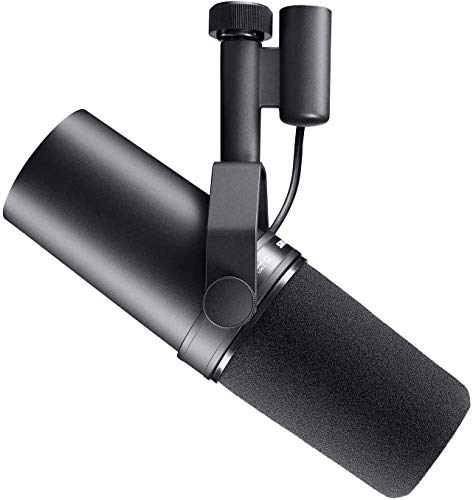
- Warm, balanced vocal capture
- Cardioid pattern reduces room noise
- Built-in pop filter and windscreen
Best For: Podcasting, streaming, voiceover, and studio broadcast work
Simple Podcaster Pick
RØDE PodMic White Broadcast Microphone

- Internal shock mount cuts knocks and vibration
- Built-in pop filter for speech clarity
- All-metal XLR body with easy mounting
Best For: Podcasting and broadcasting with an XLR studio setup
Flexible Streamer Choice
Shure MV7+ USB-C & XLR Podcast Mic

- USB-C and XLR connectivity
- Voice isolation with real-time denoiser
- Auto level mode and digital pop filter
Best For: Streamers and podcasters who want flexible connectivity and easy voice control
Budget Handheld Value
Sennheiser XS 1 Dynamic Microphone

- Cardioid handheld dynamic design
- Silent mute switch for quick control
- Includes clip and carrying pouch
Best For: Speech, vocals, and portable XLR use on a budget
Hybrid Broadcast Pick
Saramonic MV-Pod-D USB/XLR Dynamic Mic

- USB-C and XLR outputs for flexible use
- Cardioid dynamic capsule reduces room noise
- Includes desktop stand and two pop filters
Best For: Creators who need a flexible broadcast mic for desk setups and pro workflows
Industry-Standard Vocal Choice
Shure SM58 Dynamic Vocal Mic with Cable

- Tailored response with enhanced midrange
- Cardioid pickup helps isolate the voice
- Rugged metal build with included 25-ft XLR cable
Best For: Users who want a proven handheld vocal mic for broadcasting and live performance
Best Value Starter Kit
Samson Q2U USB/XLR Dynamic Mic Kit

- USB-C and XLR outputs for simple or expanded setups
- Includes stand, clip, windscreen, and cables
- Unidirectional pattern keeps voice centered
Best For: Beginners who want an all-in-one podcasting and broadcasting bundle
Industry Standard Vocal Pick
Shure SM58 Pro XLR Dynamic Vocal Microphone

- Warm vocal tone with subtle midrange lift
- Cardioid pattern helps reject off-axis noise
- Rugged metal build for professional use
Best For: Broadcasters and podcasters who want a proven XLR vocal mic
Flexible USB/XLR Streamer Pick
FIFINE AmpliGame AM8 USB/XLR Dynamic Microphone

- USB and XLR connections in one mic
- Tap-to-mute and headphone monitoring in USB mode
- Cardioid pickup helps reduce off-axis noise
Best For: Streamers who want an easy starter mic with upgrade flexibility
Wireless Creator Upgrade
MAONO PD200W Hybrid Wireless Podcast Microphone

- Wireless, USB, and XLR support in one mic
- 30mm capsule with cardioid pickup and noise cancellation
- Up to 60 hours of battery life with RGB off
Best For: Creators who want flexible broadcast recording with wireless convenience
Broadcast-Grade Voice – Shure SM7B Dynamic Vocal Microphone
If you’re comparing dynamic microphones for broadcasting, the Shure SM7B is a classic choice for a smooth, controlled vocal sound. Its cardioid pattern, built-in pop filtering, and shock isolation are designed to keep your voice upfront while reducing plosives, vibrations, and room noise.
Best For: Podcasters, streamers, voiceover work, and studio creators who want warm, polished XLR audio with strong noise rejection.
Pros:
- Warm, balanced vocal tone with wide-range frequency response
- Cardioid pickup and air suspension help reduce background noise and handling vibration
- Built-in pop filtering and detachable windscreen support clean close-mic speech
- Rugged all-metal build with electromagnetic shielding for reliable use
Cons:
- Requires an XLR setup and enough gain from your interface or preamp
- Not a plug-and-play USB microphone
- May need additional gear in some broadcast or streaming rigs
The SM7B is built for users who want a proven broadcast voice with flexible studio control. If your setup already includes a strong interface or mixer, it remains one of the most dependable options in this category.
Simple Podcaster Pick – RØDE PodMic White Broadcast Microphone
For creators shopping dynamic microphones for broadcasting, the RØDE PodMic keeps the focus on straightforward voice capture and durable construction. Its cardioid pattern, internal shock mount, and built-in pop filter are aimed at delivering natural speech with fewer knocks and plosives.
Best For: Podcasters and broadcasters who want an all-metal XLR mic that mounts easily and is tuned for clear spoken voice.
Pros:
- Internal shock mount helps reduce handling noise and vibration
- Built-in pop filter tames plosives for cleaner speech
- All-metal build should suit regular studio use
- Integrated yoke mount with dual-thread compatibility simplifies mounting
Cons:
- XLR-only design means it needs an interface or mixer
- Not the most feature-heavy option if you want onboard digital controls
- Optimized use with RØDECaster gear may appeal more to RØDE-based setups
This is a practical broadcast mic for users who want a clean, durable, no-nonsense solution. It makes the most sense in a setup that already has quality gain and a suitable audio chain.
Flexible Streamer Choice – Shure MV7+ USB-C & XLR Podcast Mic
If you want one of the more flexible dynamic microphones for broadcasting, the Shure MV7+ stands out for its USB-C and XLR connectivity. It combines voice isolation, real-time denoising, auto level mode, and a digital pop filter to help keep spoken audio consistent in streaming, podcasting, and recording.
Best For: Streamers, podcasters, and hybrid users who want easy USB-C operation now and XLR upgrade options later.
Pros:
- USB-C and XLR support makes it easy to fit different setups
- Voice Isolation Tech and denoiser help control ambient noise
- Auto Level Mode and virtual pop filter simplify spoken-word recording
- LED touch panel adds mute control and visual customization
Cons:
- More digital features may be unnecessary for users who only want a basic broadcast mic
- Desk-oriented form factor may not suit every mounting preference
- Included bundle focus may matter less if you already have a stand and cable
The MV7+ is a strong fit if you want broadcast-style vocal control with modern convenience. It works especially well for creators who need a mic that can grow with a beginner-to-pro workflow.
Budget Handheld Value – Sennheiser XS 1 Dynamic Microphone
For buyers looking at dynamic microphones for broadcasting, the Sennheiser XS 1 is a straightforward handheld option with a cardioid pickup pattern and XLR connection. It’s built for speech and singing use, with a mute switch, clip, and carrying pouch that make it easy to take to different speaking or performance setups.
Best For: Hosts, speakers, and performers who want an affordable handheld XLR mic for speech, vocals, or simple live audio duties.
Pros:
- Cardioid pattern helps focus on the voice
- Silent mute switch adds practical control during use
- Includes a clip and carrying pouch for portability
- Metal construction supports everyday handling
Cons:
- Less specialized for studio broadcasting than podcast-first models
- Handheld design may be less convenient for desk-based streaming
- Requires XLR gear to use in a broadcast setup
The XS 1 is a sensible pick if you want a compact, no-frills dynamic mic for speech-focused work. It suits users who value portability and basic broadcast-ready control over extra features.
Hybrid Broadcast Pick – Saramonic MV-Pod-D USB/XLR Dynamic Mic
If you want a versatile choice among dynamic microphones for broadcasting, the Saramonic MV-Pod-D is built for podcasting, live streaming, voiceovers, and speech recording. Its large-diaphragm cardioid dynamic capsule is designed to reduce room noise while delivering a rich, balanced vocal sound, and the dual USB-C/XLR outputs make it easy to use in both simple desktop setups and more advanced signal chains.
Best For: Creators who want one mic for USB convenience now and XLR flexibility later.
Pros:
- USB-C digital output with a high-gain internal preamp for computers, smartphones, and tablets
- XLR analog output for mixers, recorders, and interfaces
- Cardioid dynamic capsule helps minimize room noise for focused vocals
- Includes desktop stand, swing mount, and two pop filter windscreens
Cons:
- Built for one-channel voice capture, not multi-person recording
- Requires the right setup to take advantage of XLR use
Overall, the MV-Pod-D is a practical pick if you want broadcast-ready vocal capture with both plug-and-play simplicity and a path into more pro-style workflows. The included stand and windscreens make it especially appealing for desk-based creators.
Industry-Standard Vocal Choice – Shure SM58 Dynamic Vocal Mic with Cable
The Shure SM58 remains a strong benchmark if you are comparing dynamic microphones for broadcasting and live vocal work. Its tailored frequency response and enhanced midrange are designed to put voice forward, while the uniform cardioid pattern helps reject unwanted background noise. The included 25-foot XLR cable also makes it a convenient ready-to-go package.
Best For: Speakers and performers who want a proven, rugged vocal mic with reliable isolation.
Pros:
- Tailored vocal response with enhanced midrange for clear, present vocals
- Cardioid pickup pattern focuses on the voice and reduces room noise
- Built-in spherical mesh grille and internal pop filter help reduce plosives and breath noise
- Rugged metal construction built for tough live use
Cons:
- XLR-only design is less convenient than USB for direct computer use
- Handheld form factor may not suit every desktop broadcasting setup
For buyers who prioritize proven vocal sound and durability over extra features, the SM58 is still an easy recommendation. It is a straightforward, dependable mic that has earned its reputation on stages and in studios alike.
Best Value Starter Kit – Samson Q2U USB/XLR Dynamic Mic Kit
The Samson Q2U is a practical option if you need one of the more accessible dynamic microphones for broadcasting and podcasting. It offers both USB-C and XLR connectivity, so you can plug directly into a computer or move into a mixer or interface later. The included desktop stand, mic clip, windscreen, and cables make it an easy kit to start recording right away.
Best For: Beginners and home creators who want an all-in-one recording and podcasting bundle.
Pros:
- USB-C and XLR connections provide flexible setup options
- Includes tripod desktop stand, extension, mic clip, windscreen, USB-C cable, and XLR cable
- Unidirectional pattern helps keep the focus on your voice
- Metal enclosure and handheld design fit podcasting and recording use
Cons:
- Single-channel design is meant for one speaker at a time
- Most suited to personal computer use rather than broader device compatibility
If you want a no-fuss package with the essentials included, the Q2U makes a lot of sense. It balances simple USB recording with a path to XLR expansion, which is useful for creators who expect their setup to grow.
Industry Standard Vocal Pick – Shure SM58 Pro XLR Dynamic Vocal Microphone
If you want dynamic microphones for broadcasting that lean toward dependable vocal clarity, the Shure SM58 is the classic route. Its tuned midrange lift, cardioid pickup, and built-in pop protection make it a strong fit for voice work where consistency matters more than extras.
Best For: Broadcasters, podcasters, and live vocal users who want a proven XLR mic with rugged build quality.
Pros:
- Warm, articulate vocal response with a subtle midrange lift
- Cardioid pattern helps reduce background noise and feedback
- Built-in grille and filter help tame plosives, breath, and wind noise
- Rugged metal construction is designed for professional use
Cons:
- XLR connection requires an audio interface or mixer
- Does not include modern USB or wireless convenience features
The SM58 stays relevant because it focuses on the basics that matter for broadcast-style voice capture: clarity, isolation, and durability. If you already have XLR gear and want a safe, proven choice, it is hard to overlook.
Flexible USB/XLR Streamer Pick – FIFINE AmpliGame AM8 USB/XLR Dynamic Microphone
Among dynamic microphones for broadcasting, the FIFINE AmpliGame AM8 stands out for flexibility. It works as a plug-and-play USB mic for quick setup, or as an XLR mic when you want to move into a more advanced interface-based workflow.
Best For: Streamers and beginner broadcasters who want one mic for both simple USB use and future XLR upgrades.
Pros:
- USB and XLR connectivity give you two setup paths
- Cardioid pickup helps reject unwanted off-axis noise
- USB mode adds tap-to-mute, gain control, and headphone monitoring
- Includes RGB lighting and memory function for desktop setups
Cons:
- RGB and function keys do not work in XLR mode
- XLR cable is not included
- Best results depend on correct end-addressed positioning and close mic distance
The AM8 is a practical choice if you want broadcast-friendly voice capture without locking yourself into one connection type. Its USB convenience and XLR upgrade path make it especially useful for creators who are still refining their setup.
Wireless Creator Upgrade – MAONO PD200W Hybrid Wireless Podcast Microphone
If you are comparing dynamic microphones for broadcasting and want more freedom than a standard wired setup, the MAONO PD200W brings a lot to the table. It supports wireless, USB, and XLR operation, so you can use it for simple plug-and-play recording or build a more advanced broadcast chain later.
Best For: Podcasters and creators who want wireless freedom plus USB/XLR compatibility in one kit.
Pros:
- Three connection modes: wireless, USB, and XLR
- 30mm dynamic capsule with cardioid pickup for focused vocal capture
- Three-stage noise cancellation helps reduce background noise and room echo
- Long battery life and 60m wireless range support mobile recording
Cons:
- Wireless accessories for camera/Lightning use are sold separately
- App-based controls may be more than some users need
- Battery-powered operation adds another thing to manage
The PD200W is the most versatile option here if your workflow changes from session to session. It is built for creators who want broadcast-ready vocal capture, but also value the freedom to record away from a fixed desk.
How We Picked These Dynamic Microphones for Broadcasting
We prioritized broadcast-ready vocal clarity, off-axis noise rejection, build quality, and real-world flexibility. That means looking at how well each mic handles untreated rooms, whether it supports USB, XLR, or both, and how easily it fits into a home studio, streaming desk, or portable setup.
We also favored models with strong user-friendly features such as built-in headphone monitoring, mute controls, gain flexibility, and mounts or packs that reduce the cost of getting started.
Quick Comparison of the Main Use Cases
If you want the most proven studio-style sound, a classic XLR mic is still a safe bet. If you want simpler setup and less gear, USB or hybrid models are easier to live with. For creators who move between laptop, interface, and mixer, dual-connectivity options offer the most room to grow.
In practice, the best choice often comes down to how you work: solo voice recording, live streaming, a shared desk, or a more traditional broadcast chain.
Key Buying Factors for Dynamic Microphones for Broadcasting
Connectivity
USB is best for plug-and-play convenience. XLR is better if you already use an audio interface or plan to build a more expandable setup. Hybrid USB/XLR microphones give you both paths, which is useful if your needs may change.
Pickup Pattern and Room Rejection
A cardioid dynamic mic is usually the right starting point because it focuses on your voice and helps reject keyboard noise, fan noise, and room echo. This matters especially in home studios and shared spaces.
Voice Tone and Handling
Look for smooth mids, controlled highs, and consistent output. Some broadcast-style mics sound fuller and more polished on deep voices, while others are more neutral and easier to EQ. A good pop filter and proper mic placement still matter a lot.
Convenience Features
Built-in mute buttons, gain control, headphone monitoring, and included mounts can save time and extra spending. For Dynamic Microphones for Broadcasting, these extras often improve workflow more than minor spec differences.
Who Should Buy Which Dynamic Microphones for Broadcasting?
Choose a classic XLR broadcast mic if you want the most established studio path and already have an interface. Pick a USB/XLR hybrid if you want flexibility for both beginner and upgraded setups. Go with a simpler handheld dynamic mic if you need durability for speaking, rehearsals, or multi-purpose use.
If you are streaming games, recording podcasts, or producing voice content from a noisy room, a dynamic mic is usually the smarter choice than a condenser. And if your priority is the easiest setup possible, a USB model with monitoring and mute controls can be the best balance of convenience and quality.