The best capture cards for PC make it easier to stream console gameplay, record high-quality footage, or use a camera as a webcam. The right choice depends on your source device, desired resolution, connection type, and whether you need low-latency passthrough.
Our roundup includes internal PCIe cards and portable USB options, from 1080p60 models to 4K-capable devices with higher-resolution passthrough. Use the guide below to narrow the list by performance, compatibility, and budget.
Best 10 Capture Cards for PC Picks for 2026
Best Internal PC Capture Card

- 4K60 HDR10 capture with 8K60 passthrough
- HDMI 2.1, VRR, and up to 1080p240 recording
- Ideal for Windows dual-PC streaming
Best For: High-end Windows desktop streaming
Best USB-C Capture Card

- 1080p60 capture with 4K60 HDR passthrough
- Up to 1440p144 or 1080p240 passthrough
- Driver-free support for PC, Mac, and iPad
Best For: Flexible console and PC streaming
Best Console-to-PC Capture Card

- 4K60 capture with HDR10 support
- 1440p120 and 1080p240 passthrough
- Analog audio input for chat or commentary
Best For: Modern console recording and streaming
Best Budget USB Capture Card
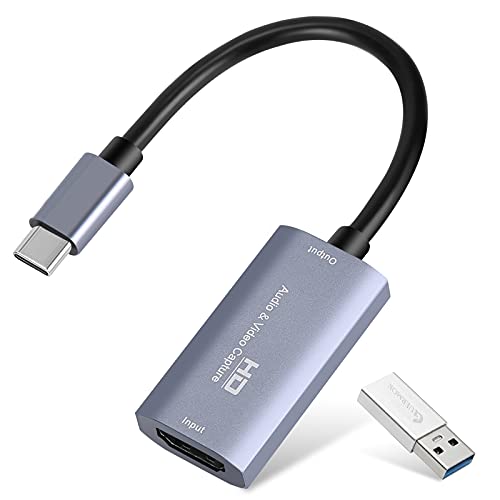
- 1080p60 capture with up to 2K30 output
- Driver-free and portable design
- Broad OS, software, console, and camera support
Best For: Affordable basic recording and streaming
Premium Camera Capture

- Captures up to 4K60 with compatible cameras
- Supports cameras, camcorders, action cams, and iPhone
- Compact USB 3.0 design with low latency
Best For: Camera-based streaming and recording on PC or Mac
Value Console Streaming

- Accepts 4K30/60Hz HDMI input and captures up to 1080p
- Includes HDMI loop-out for low-delay gameplay
- Plug-and-play with microphone input and Windows/Mac support
Best For: Affordable console and HDMI-device streaming
High-Frame-Rate Gaming
XIIXMASK 4K60 HDMI Capture Card

- Captures 4K60 and supports 4K HDMI pass-through
- Records 1080p at up to 120FPS
- Adds USB-A/USB-C and 3.5mm audio connectivity
Best For: High-refresh gaming, streaming, and flexible multi-device capture
Best Balanced Capture Card
UGREEN 2K30/1080p60 HDMI Capture Card
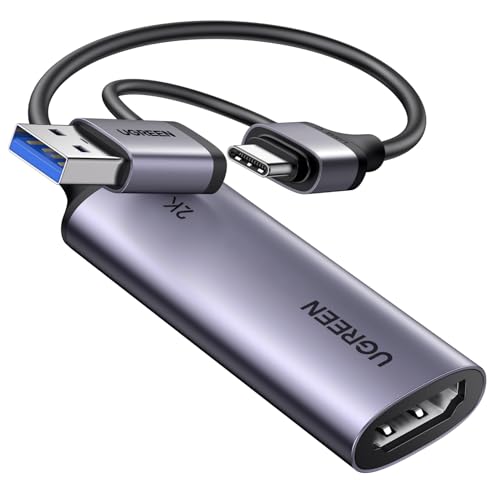
- Captures 2K30 or 1080p60 video
- USB-A and USB-C connectivity
- Broad OS and device compatibility
Best For: Flexible console, camera, and mobile streaming setups
Best for Commentary
XIIXMASK 1080p60 HDMI Capture Card

- 4K60 HDMI loop-out
- 1080p60 or 2K30 USB capture
- Built-in 3.5mm mic-in
Best For: Gameplay streaming with voice commentary and passthrough
Best Plug-and-Play Option
Dcyfol 1080p60 USB 3.0 Capture Card
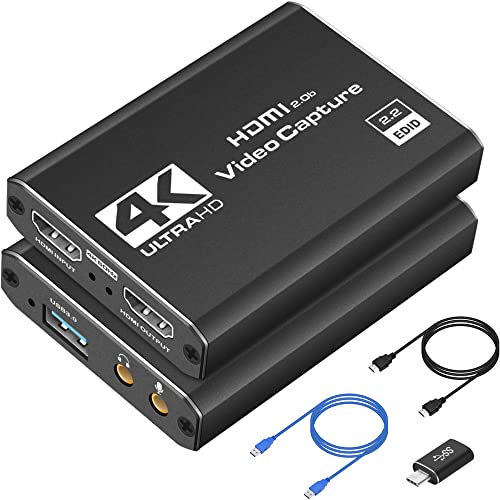
- 1080p60 capture with 4K preview
- No-driver setup for major streaming software
- Compact design for portable use
Best For: Beginner-friendly PC and Mac streaming setups
Best Internal PC Capture Card – Elgato 4K Pro
If you need capture cards for PC with high-end passthrough and recording, the Elgato 4K Pro is built for a Windows desktop with an available PCIe slot. It combines HDMI 2.1 connectivity, 4K60 HDR10 capture, and support for high-refresh gameplay.
Best For: PC streamers, dual-PC setups, and gamers who want 8K60 passthrough or high-frame-rate 1080p recording.
Pros:
- Captures up to 4K60 HDR10 while supporting 8K60 passthrough.
- HDMI 2.1 supports up to 1080p240 recording and VRR passthrough.
- Ultra-low latency and compatibility with popular streaming apps.
- Designed for compatible Windows dual-PC setups.
Cons:
- Requires a Windows 10 PC with an available PCIe slot.
- Internal installation is less portable than a USB capture card.
- The listed video capture resolution is 1080p, despite its 4K60 capture highlight.
The 4K Pro is a strong choice when your priority is premium desktop performance, high refresh rates, and flexible passthrough. Its PCIe installation and Windows requirement make it less suitable for laptops or simple plug-and-play setups.
Best USB-C Capture Card – AVerMedia GC311G2
The AVerMedia GC311G2 is a practical option among capture cards for PC when you want easy USB-C connectivity, 1080p60 capture, and smooth passthrough. It also supports several consoles, cameras, Windows and Mac computers, and USB-C iPads.
Best For: New streamers who want driver-free setup, 4K60 HDR passthrough, and broad device compatibility.
Pros:
- Captures Full HD 1080p60 while passing through 4K60 HDR.
- Supports high-refresh passthrough up to 1440p144 or 1080p240 HDR.
- Works with consoles, PCs, cameras, macOS, Windows, and compatible iPads.
- Driver-free operation supports OBS, Camo Studio, and AVerMedia software.
Cons:
- HDR applies to passthrough; captured video is up to 1080p60 SDR.
- Requires a compatible USB 3.0 connection and computer configuration.
- Some newer iPad support depends on USB-C and iPadOS 17 or later.
With strong passthrough and straightforward USB-C operation, the GC311G2 balances accessibility and gaming performance. It is particularly appealing if you want to play at a higher resolution or refresh rate than the stream itself records.
Best Console-to-PC Capture Card – Elgato 4K S
The Elgato 4K S is a compact USB-C choice for capture cards for PC, especially if you record from a PS5, Xbox Series X/S, or Switch 2. It supports 4K60 capture, high-refresh passthrough, HDR10, and an analog audio input for commentary or in-game chat.
Best For: Console players who want 4K60 capture and high-refresh gameplay through a portable USB-C device.
Pros:
- Captures 4K60 video with HDR10 support on Windows.
- Supports 1440p120 or 1080p240 passthrough.
- Compatible with PS5, Xbox Series X/S, Switch 2, Mac, Windows, and compatible tablets.
- Includes a 3.5mm analog audio input for chat or commentary.
Cons:
- Requires Windows 11, macOS 13 or later, or a compatible iPadOS setup.
- USB 3.0 Type-C connectivity may require an appropriate port or cable.
- The listed video capture resolution is 1080p, while the product highlight specifies 4K60 capture.
The 4K S is a well-rounded external option for modern console capture, combining high-resolution recording with high-refresh passthrough. Its audio input adds useful flexibility for creators who want commentary or chat in their recordings.
Best Budget USB Capture Card – Guermok 4K HDMI
The Guermok HDMI capture card is a compact, entry-level option among capture cards for PC. It connects HDMI sources to USB 3.0 or USB-C and supports up to 1080p60 output, making it suitable for basic recording, streaming, meetings, and online teaching.
Best For: Budget-conscious users who need portable 1080p60 capture for consoles, cameras, or everyday video sources.
Pros:
- Supports up to 1080p60 output and 2K30 output from up to 4K30 input.
- Plug-and-play design requires no additional drivers or external power.
- Works with Windows, macOS, Linux, Android, OBS, Zoom, and common HDMI devices.
- Compact aluminum construction is easy to carry.
Cons:
- Requires capture software and is not designed for direct monitor or TV casting.
- Uses one-way HDMI-to-USB transmission; USB-to-HDMI conversion may lose signal.
- USB 2.0 connections can limit bandwidth and resolution.
Guermok’s card is a sensible starter choice when affordability and portability matter more than advanced HDR or high-refresh features. Use a USB 3.0 port whenever possible, and plan to configure the device through compatible capture software.
Premium Camera Capture – Elgato Cam Link 4K
The Elgato Cam Link 4K is a polished choice for shoppers comparing capture cards for PC and wanting to use a DSLR, mirrorless camera, camcorder, action camera, or iPhone as a webcam. Its USB 3.0 connection supports 1080p60 and up to 4K60 capture when paired with compatible equipment.
Best For: Creators who want a compact, low-latency camera-to-PC capture solution for streaming, recording, or iPad monitoring.
Pros:
- Supports 1080p60 and up to 4K60 capture with compatible cameras and the latest model.
- Works with cameras, camcorders, action cameras, and iPhone devices.
- USB 3.0 connectivity and ultra-low latency help keep video and audio synchronized.
- Compatible with PC and Mac, with a compact 20.14 g design.
Cons:
- Requires a compatible camera and suitable computer setup for the advertised capture resolutions.
- Uses a USB-A connector, which may require an adapter for some newer computers.
Choose this model when camera quality, straightforward PC integration, and low-latency performance matter more than console-focused features such as HDMI pass-through or microphone inputs.
Value Console Streaming – VIXLW 4K HDMI Capture Card
This VIXLW capture card is a practical option for buyers seeking capture cards for PC that support consoles, cameras, and other HDMI sources. It captures up to 1080p and accepts 4K30/60Hz input, while USB 3.0 connectivity, plug-and-play setup, and HDMI loop-out target accessible game streaming.
Best For: Budget-conscious streamers who need HDMI capture, pass-through, and microphone input for console or camera content.
Pros:
- Supports HDMI input up to 4K30/60Hz and capture resolution up to 1080p.
- HDMI loop-out is designed for gameplay without display delay.
- Plug-and-play operation requires no driver or external power supply.
- Includes a 3.5mm microphone input and works with Windows and Mac.
Cons:
- Output supports up to 2K30Hz, so it is not a full 4K capture solution.
- Microphone input accepts only a 3.5mm TRS standard microphone headset.
- The listed warranty is 60 days.
This is a sensible entry-level pick if you want broad HDMI-device compatibility and loop-out for gaming, but shoppers seeking 4K recording should look at a model with higher capture output.
High-Frame-Rate Gaming – XIIXMASK 4K60 HDMI Capture Card
The XIIXMASK capture card stands out among capture cards for PC with 4K60 capture and pass-through, plus 1080p120 recording. Its USB-A/USB-C connectivity and broad operating-system support make it suitable for gaming, camera capture, meetings, and device mirroring.
Best For: Gamers and streamers who want 4K60 pass-through, high-frame-rate 1080p capture, and flexible audio connections.
Pros:
- Supports up to 4K60 capture and 4K HDMI pass-through.
- Handles 1080p120 input and recording for high-frame-rate content.
- Includes both USB-A and USB-C connection options with no driver or external power required.
- Offers 3.5mm audio input and microphone output, plus compatibility with major streaming software.
Cons:
- Requires a USB 3.0 port and compatible operating system; performance depends on the connected setup.
- The supplied notes do not list specific minimum computer hardware requirements.
- Its 0.22 kg weight is higher than some compact camera-focused capture devices.
Consider this model when smooth monitoring and high-frame-rate game capture are priorities. Its wide device and software compatibility also gives it more flexibility than a capture card designed mainly for one source type.
Best Balanced Capture Card – UGREEN 2K30/1080p60 HDMI Capture Card
If you want flexible capture cards for PC use, the UGREEN model combines 2K capture support with 1080p at 60FPS, USB-A and USB-C connectivity, and broad operating-system compatibility. Its aluminum housing and USB 3.0 connection make it a practical option for streaming, recording, and video transfer.
Best For: Streamers and creators who need 2K30 or 1080p60 capture from consoles, cameras, phones, or other HDMI sources.
Pros:
- Captures up to 2K at 30FPS and supports 1080p at 60FPS.
- Includes both USB-A and USB-C interfaces for flexible PC and mobile setups.
- Works with Windows, macOS, Linux, and compatible iPadOS devices without dedicated drivers.
- Aluminum construction helps with heat dissipation and EMI shielding.
Cons:
- Only supports one-way HDMI input to USB output.
- HDCP must be disabled for supported PS4 and PS5 sources.
- USB-C iPad use requires iPadOS 17 or later.
The UGREEN is a strong all-around choice when you want more than basic 1080p capture. Check your source resolution, HDCP settings, and available USB port before buying.
Best for Commentary – XIIXMASK 1080p60 HDMI Capture Card
For capture cards for PC that prioritize passthrough and voice input, the XIIXMASK combines 4K60 HDMI loop-out with 1080p60 or 2K30 USB capture. Its dedicated 3.5mm mic input is useful for adding commentary during gameplay, meetings, or recordings.
Best For: Gamers and streamers who want 4K passthrough, high-frame-rate capture, and a separate microphone connection.
Pros:
- Supports 4K60 HDMI input and loop-out, with up to 1080p60 or 2K30 USB output.
- Includes a 3.5mm mic-in for commentary and external audio.
- Compatible with OBS, Zoom, VLC, PotPlayer, and multiple operating systems.
- Aluminum construction and redesigned cable layout are intended to improve stability and heat dissipation.
Cons:
- The mic input does not record party chat.
- OBS may need to be restarted after audio setup to restore sound output.
- The listed system requirements specify a Windows operating system, despite broader compatibility details.
This model stands out for setups where passthrough and live commentary matter as much as capture quality. Review your computer and software requirements carefully, particularly if you use a non-Windows system.
Best Plug-and-Play Option – Dcyfol 1080p60 USB 3.0 Capture Card
The Dcyfol is one of the simpler capture cards for PC, offering plug-and-play USB 3.0 operation, 1080p60 recording, and 4K HDMI preview. It is designed for common streaming software and supports consoles, cameras, and computers in a compact format.
Best For: Beginners and portable creators who want straightforward 1080p60 capture for streaming or recording.
Pros:
- Captures video at 1080p60 while accepting 4K HDMI input for real-time preview.
- Plug-and-play design works with OBS Studio, Streamlabs, and XSplit without additional drivers.
- Supports PS5, PS4, Xbox, Nintendo Switch, PCs, Macs, and cameras.
- Compact, lightweight design suits travel, LAN parties, and changing setups.
Cons:
- Requires a USB 3.0 port and is listed for Windows and macOS systems.
- 4K input is recorded at 1080p60 rather than captured in 4K.
- Passthrough capabilities are described in the product notes but may require checking the specific connection setup.
If ease of setup and portability are your priorities, the Dcyfol covers the essentials without emphasizing advanced capture resolutions. It is best matched with a USB 3.0-equipped PC or Mac and a 1080p streaming workflow.
How We Picked the Best Capture Cards for PC
We focused on the features that most affect everyday streaming and recording: supported input and capture resolutions, frame rates, passthrough quality, connection type, compatibility, and practical ease of use. The lineup includes internal PCIe hardware for desktop PCs, USB capture cards for flexible setups, and camera-oriented options such as HDMI-to-USB adapters.
Because manufacturer specifications can distinguish between captured resolution and passthrough resolution, we treated those as separate criteria. A device advertised with 4K input or passthrough may still record at 1080p, so check both figures before buying.
Quick Comparison
| Type | Best For | What to Check |
|---|---|---|
| Internal PCIe | Permanent desktop streaming setups | Available slot, system compatibility, cooling |
| USB 3.0 or USB-C | Laptops, flexible setups, and portability | USB bandwidth, included cables, driver support |
| 4K passthrough models | Playing at high resolution while recording | Actual capture limit, HDR and refresh-rate support |
| Camera capture adapters | DSLRs, camcorders, and action cameras | Clean HDMI output, power, and camera compatibility |
Key Buying Factors for Capture Cards for PC
Capture Resolution and Frame Rate
1080p at 60 frames per second is sufficient for many streams and produces smooth gameplay footage. Choose a 4K-capable capture card if you plan to record in Ultra HD, but verify whether 4K capture is supported at 60fps or only at lower frame rates.
Passthrough and Latency
Passthrough sends the source signal to your gaming display while the PC captures it. For console gaming, look for passthrough that matches your preferred resolution, refresh rate, HDR mode, and variable-refresh features. Low latency matters when playing competitively.
Connection and Installation
Internal cards generally offer a tidy, dedicated setup but require an open PCIe slot and a desktop PC. USB models are simpler to move between systems. Use a suitable USB 3.0 or USB-C port and avoid relying on an unpowered hub if the manufacturer recommends a direct connection.
Compatibility and Software
Confirm support for your operating system and streaming software, such as OBS Studio or other applications you use. Consoles may also require attention to HDCP settings, while cameras need clean HDMI output and a way to remain powered during long sessions.
Who Should Buy Which Capture Cards for PC?
Choose an internal PCIe card if you have a desktop PC and want a permanent, high-performance streaming or recording workstation. Choose a USB model if you use a laptop, switch between systems, or value quick installation. Choose 4K passthrough if you want to play at a high resolution while capturing a lower-resolution stream. Choose a camera-focused adapter if your main goal is turning a compatible DSLR, camcorder, or action camera into a webcam or video source.
Before ordering, match the card’s maximum capture settings to your actual workflow rather than its highest advertised input specification. Also check the ports on your PC, the HDMI standard of your source device, and whether the package includes the cables you need.