The best wireless DJ headphones give you freedom to move without sacrificing timing, isolation, or the option to switch back to a wired connection. The right pair can handle booth monitoring, home practice, travel, and everyday listening.
Our roundup compares 10 leading models across latency, connectivity, comfort, sound quality, durability, and value, including hybrid headphones that support both wireless listening and traditional DJ setups.
Best 10 Wireless Dj Headphones Picks for 2026
Best Low-Latency Pick

- Claimed 9ms wireless latency
- LDAC and multi-mode connectivity
- Up to 120 hours of battery life
Best For: DJs needing fast response and versatile connections
Best Budget DJ Starter

- Wired DJ and Bluetooth modes
- Swivel earcups for one-ear monitoring
- Foldable design for travel
Best For: New DJs seeking an affordable, portable option
Best Complete Wireless System

- Includes SonicLink transmitter
- Claimed 9ms monitoring latency
- ANC, transparency, and wired fallback
Best For: Serious DJs wanting a bundled cable-free booth setup
Best Long-Battery Value

- Up to 72 hours of wireless playback
- Includes 3.5mm and 6.35mm cables
- Foldable over-ear design
Best For: DJs and studio users wanting strong everyday versatility
Flagship Wireless DJ Headphones

- 9 ms SonicLink wireless monitoring
- ANC, Transparency, Bluetooth, and wired modes
- Up to 30 hours of Bluetooth battery life
Best For: DJs seeking premium wireless flexibility and low-latency booth monitoring
Modular Performance Pick

- Low-latency W+ Link for beatmatching
- More than 25 hours of battery playback
- Modular, replaceable, upgradeable parts
Best For: DJs wanting durable wireless headphones they can customize over time
Budget Starter Choice

- Clear cueing for learning DJs
- Swivel earcups for one-ear monitoring
- Lightweight, foldable wired design
Best For: Beginners who want affordable, dependable headphones for practice and entry-level gigs
Booth-Ready Value
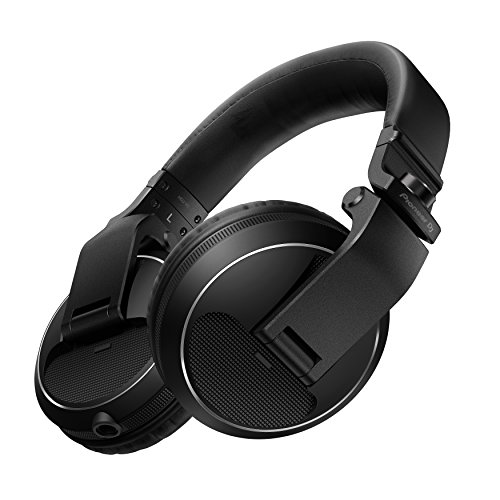
- 40 mm drivers for cueing and beatmatching
- Swivel earcups support one-ear monitoring
- Passive isolation and durable, foldable design
Best For: Beginner DJs, booth monitoring, and regular practice sessions
Low-Latency Studio Choice
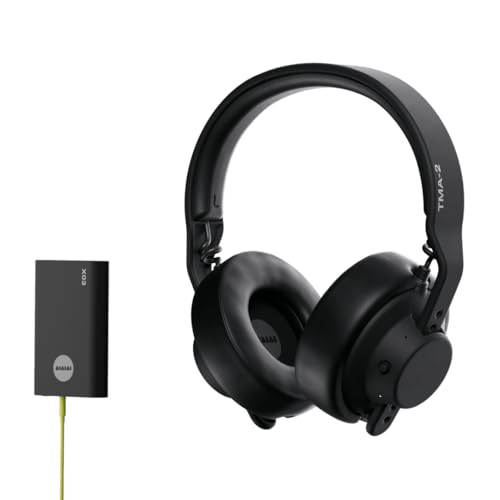
- W+ Link latency under 10 ms
- App EQ supports mixing and creative profiles
- 20+ hours of playback with Bluetooth 5.3
Best For: Music production, live performance, and low-latency monitoring
Best Low-Latency Pick – OneOdio Studio Max 2
If you need wireless DJ headphones that respond quickly enough for monitoring, the OneOdio Studio Max 2 is built around a claimed 9ms latency mode. It combines 2.4G wireless, Bluetooth 6.0, and wired connectivity with LDAC support, making it flexible for DJ booths, studios, and everyday listening.
Best For: DJs and creators who prioritize low latency, long battery life, and multiple connection options.
Pros:
- Claimed 9ms latency for responsive wireless monitoring.
- Supports LDAC and includes 45mm drivers for high-resolution audio.
- Up to 120 hours of wireless playback, with fast charging support.
- Includes 3.5mm and 6.35mm connections, plus a carrying case.
Cons:
- At 350g, these are relatively substantial for extended wear.
- Passive noise control may be less isolating than active noise cancellation.
The Studio Max 2 is a feature-rich choice for DJs who want wireless convenience without giving up mixer-friendly wired connections. Its standout strengths are latency, battery endurance, and connection flexibility.
Best Budget DJ Starter – Pioneer DJ HDJ-CUE1BT
The Pioneer DJ HDJ-CUE1BT is a practical entry point for shoppers seeking wireless DJ headphones with straightforward cueing features. They use a wired connection for DJ monitoring and Bluetooth for casual listening, while swivel earcups and a foldable design support booth work and commuting.
Best For: New DJs who want an accessible, portable pair for mixing and everyday wireless listening.
Pros:
- Combines wired DJ monitoring with Bluetooth listening.
- Swivel earcups make one-ear monitoring easier.
- Foldable construction is convenient for travel and storage.
- Tuning is designed to help with cueing in loud rooms.
Cons:
- On-ear pads may provide less coverage than over-ear alternatives.
- Bluetooth 4.2 is older than the wireless standard on newer models.
- Battery playback duration is not specified in the supplied details.
For beginners, the HDJ-CUE1BT keeps the essential DJ functions simple while adding wireless convenience outside the booth. Its compact build and one-ear monitoring design make it especially suitable for learning and travel.
Best Complete Wireless System – AlphaTheta HDJ-F10-TX
For DJs who want a cable-free booth setup, the AlphaTheta HDJ-F10-TX pairs flagship headphones with a SonicLink transmitter. The system is designed for claimed 9ms wireless monitoring latency and also supports Bluetooth, wired fallback, noise cancellation, and transparency modes.
Best For: Professional or serious DJs who want a bundled low-latency transmitter and robust monitoring features.
Pros:
- Includes the HDJ-F10 headphones and HP-TX01 transmitter.
- Claimed 9ms SonicLink latency for wireless booth monitoring.
- 40mm PEEK drivers and strong insulation are designed for loud environments.
- Offers Bluetooth, wired fallback, active noise cancellation, and transparency.
Cons:
- SonicLink battery life is listed at 9 hours, shorter than Bluetooth mode.
- At 2.3 pounds, the system is notably heavy compared with the other listed options.
- The headphones do not include a headphone jack.
The HDJ-F10-TX is the most complete wireless DJ setup here, particularly if you want the transmitter included rather than purchased separately. Its main trade-offs are weight, price positioning implied by its flagship design, and limited SonicLink runtime.
Best Long-Battery Value – OneOdio A70
The OneOdio A70 is a versatile option for shoppers looking for wireless DJ headphones that can also serve as everyday over-ear headphones. Bluetooth playback lasts up to 72 hours, while the included 3.5mm and 6.35mm cables provide a reliable wired route for studio monitoring and mixing.
Best For: DJs, home-studio users, and travelers who want extended battery life and adapter-free wired connectivity.
Pros:
- Up to 72 hours of wireless playback.
- Includes both 3.5mm and 6.35mm audio cables.
- Foldable, rotatable design with memory cotton and protein-leather padding.
- Supports audio sharing and includes a built-in microphone for calls.
Cons:
- No active noise cancellation is listed; noise control is sound isolation.
- The headphones are not water resistant.
- Bluetooth range is listed at 10 meters.
The A70 stands out as a practical hybrid for users who move between wireless listening and wired DJ or studio work. Its long battery life, dual-jack cables, and foldable construction give it broad utility without requiring an adapter.
Flagship Wireless DJ Headphones – AlphaTheta HDJ-F10
The AlphaTheta HDJ-F10 stands out among wireless DJ headphones with SonicLink monitoring designed for cable-free mixing. Its 9 ms latency, active noise cancellation, and multiple listening modes make it a versatile option for booth work, track preparation, and everyday listening.
Best For: DJs who want low-latency wireless monitoring with ANC, Bluetooth, and wired fallback options.
Pros:
- SonicLink provides 9 ms wireless monitoring for untethered mixing.
- Combines SonicLink, Bluetooth, and wired connectivity in one pair.
- Offers active noise cancellation and Transparency modes.
- MIL-STD-810H shock-tested design with up to 9 hours of SonicLink or 30 hours of Bluetooth battery life.
Cons:
- At 2.2 pounds, they are heavier than some DJ headphone alternatives.
- The specialized SonicLink wireless system is separate from standard Bluetooth operation.
Choose the HDJ-F10 if your priority is flexible, low-latency wireless performance rather than a basic Bluetooth listening experience. Its wired fallback also adds practical security for different booth setups.
Modular Performance Pick – AIAIAI TMA-2 DJ Wireless
The AIAIAI TMA-2 DJ Wireless is built for DJs who want wireless performance without giving up a durable, serviceable design. Its W+ Link connection targets low-latency beatmatching, while Bluetooth, app-based EQ, and modular replacement parts make it useful beyond the booth.
Best For: Performers who value long battery life, modular construction, and wireless switching between DJing and casual listening.
Pros:
- Low-latency wireless audio is designed for precision beatmatching.
- Provides more than 25 hours of battery playback and charges in about 2 hours.
- Modular parts can be customized, replaced, or upgraded.
- Memory-foam cushions and sound isolation help in loud venues.
Cons:
- On-ear cushions may provide less coverage than over-ear DJ headphones.
- It is not water resistant.
- W+ Link is intended for performance, while Bluetooth is used for general listening.
The TMA-2 DJ Wireless is a strong fit for DJs who expect frequent use and appreciate repairable, customizable gear. Its 217-gram weight and extended battery make it practical for long sessions, rehearsals, and travel.
Budget Starter Choice – Pioneer DJ HDJ-CUE1
The Pioneer DJ HDJ-CUE1 is a straightforward choice for new DJs who need reliable monitoring at an accessible price. Although these are wired rather than wireless DJ headphones, their clear cueing, swivel earcups, detachable cable, and foldable design suit practice sessions and entry-level gigs.
Best For: Beginning DJs who prefer dependable wired headphones for learning to cue and beatmatch.
Pros:
- Tuned for clear cueing and beatmatching in noisy rooms.
- Swivel earcups support quick one-ear monitoring.
- Lightweight 215-gram design with soft earpads for longer sessions.
- Foldable build and detachable cable improve portability and convenience.
Cons:
- Wired connectivity does not provide cable-free mixing.
- It lacks active noise cancellation.
- Its one-year manufacturer warranty is shorter than some competing options.
If you are just learning to mix, the HDJ-CUE1 keeps the essentials simple: clear monitoring, easy one-ear use, and a detachable cable. Choose it over wireless DJ headphones when low cost and dependable wired operation matter most.
Long-Lasting Wireless Pick – Audio-Technica ATH-M20xBT
The Audio-Technica ATH-M20xBT is a practical choice among wireless DJ headphones for listeners who want detailed sound, comfortable over-ear isolation, and long battery life. Its Bluetooth 5 connection, detachable cable, and foldable design make it useful both at home and on the go.
Best For: Extended listening, casual DJ practice, and portable use.
Pros:
- 40 mm drivers are tuned for enhanced detail and clear midrange definition.
- Circumaural earcups help isolate sound in louder environments.
- Up to 60 hours of battery life with fast charging support.
- Foldable design and detachable cable improve portability and flexibility.
Cons:
- Does not include active noise cancellation.
- Bluetooth connectivity is intended for compatible wireless devices rather than traditional DJ equipment alone.
Choose the ATH-M20xBT if battery endurance and everyday versatility matter as much as monitoring detail. The included wired cable also gives you a direct-listening option when preferred.
Booth-Ready Value – Pioneer DJ HDJ-X5
The Pioneer DJ HDJ-X5 is a focused option for shoppers seeking wireless DJ headphones in a professional-style, wired design. Its 40 mm drivers, passive sound isolation, and swivel earcups support cueing, beatmatching, and quick one-ear monitoring in practice or booth settings.
Best For: Beginner DJs, booth monitoring, and regular practice sessions.
Pros:
- 40 mm drivers provide clear, accurate sound for cueing and beatmatching.
- Swivel earcups make one-ear monitoring straightforward.
- Passive sound isolation helps keep monitoring clear in loud rooms.
- Durable construction, foldability, and ergonomic earpads suit frequent use.
Cons:
- This model is listed with wired connectivity, so it is not a fully wireless DJ headphone choice.
- At 2.1 pounds, it is heavier than the other listed options.
The HDJ-X5 makes the most sense when dependable wired monitoring and DJ-specific handling are priorities. Its swiveling cups and durable design are especially useful for learning and repeated booth work.
Low-Latency Studio Choice – AIAIAI TMA-2 Studio Wireless
The AIAIAI TMA-2 Studio Wireless is designed for creators who want wireless DJ headphones with a cable-like monitoring experience. Its W+ Link connection delivers under 10 ms of latency, while Bluetooth 5.3 and a detachable cable add flexibility for studio work, live performance, and everyday listening.
Best For: Music production, live performance, and low-latency wireless monitoring.
Pros:
- W+ Link provides under 10 ms of latency for responsive wireless monitoring.
- Balanced, detailed sound helps reveal subtle musical information.
- App-based EQ allows flat mixing or a bass-forward creative profile.
- Memory-foam cushions, a padded headband, and over 20 hours of playback support long sessions.
Cons:
- Its specialized W+ Link system requires the included transmitter for the lowest-latency connection.
- The supplied specifications list no headphone jack, although a detachable cable is included.
Consider the TMA-2 Studio Wireless when wireless responsiveness and sound customization are more important than maximum battery runtime. W+ Link targets music creation, while Bluetooth and the included cable broaden its everyday usefulness.
How We Picked the Best Wireless Dj Headphones
We evaluated these Wireless Dj Headphones against the needs of working and aspiring DJs rather than treating Bluetooth audio quality as the only priority. Key considerations included wireless latency, connection options, battery practicality, ear-cup movement, sound balance, isolation, build quality, and comfort during extended sessions.
Models with dedicated low-latency systems, such as SonicLink or W+ Link, can be better suited to live cueing than standard Bluetooth headphones. We also gave weight to wired fallback modes because wireless performance can vary by device, venue, and software. Product specifications and design features were compared with intended use, from casual practice to professional booth monitoring.
Quick Comparison
| Best For | What to Prioritize |
|---|---|
| Live DJing | Low latency, secure fit, isolation, and rugged hinges |
| Home practice | Comfort, clear cueing, and reliable wired connectivity |
| Travel and everyday use | Bluetooth convenience, battery life, and foldable design |
| Studio work | Balanced sound, a wired mode, and replaceable or durable parts |
| Best value | Flexible connection options without paying for unnecessary features |
Key Buying Factors for Wireless Dj Headphones
Latency and Connection Type
Ordinary Bluetooth can introduce a noticeable delay between a deck, controller, or computer and your headphones. For beatmatching, cueing, and live performance, look for a dedicated low-latency wireless system or use the included wired cable when timing is critical. Check whether the transmitter is included; some systems require a separate accessory.
Sound and Isolation
DJ headphones should make kick drums, bass lines, vocals, and timing cues easy to distinguish. Strong passive isolation is useful in loud booths, while a balanced response is often preferable for mixing and production. Active noise cancellation can help during travel, but it is not a substitute for dependable booth isolation.
Comfort and Handling
Pay attention to clamping pressure, padding, weight, swivel or rotating ear cups, and whether the headphones stay secure while moving. Foldable designs are easier to transport, but hinges and moving parts should still feel robust. On-ear models can be compact, while over-ear models generally provide more isolation and padding.
Battery and Wired Backup
Compare stated battery life with your typical session length, and confirm whether the headphones can play passively when the battery is empty. USB charging, quick charging, and a standard audio cable can make a major difference before a gig.
Who Should Buy Which Wireless Dj Headphones?
Choose a dedicated low-latency wireless model if you perform regularly and want cable-free booth movement. A Bluetooth model with a wired mode is a practical choice for home DJs, students, and listeners who want one pair for practice and everyday use. Select a wired DJ headphone if maximum timing certainty, simplicity, and value matter more than wireless convenience.
For studio-focused buyers, prioritize a balanced sound signature, long-session comfort, and dependable wired monitoring. Travelers may prefer foldable headphones with Bluetooth and noise control, while frequent performers should favor replaceable parts, strong hinges, secure ear cups, and a proven wired fallback. Before buying, verify compatibility with your controller, phone, computer, and any transmitter included in the package.