Great vocal monitoring can make or break a live performance. The right stage monitor helps singers hear pitch, timing, and blend without fighting the mix.
In this roundup, we focus on practical stage monitors for vocalists that balance clarity, volume, size, and feedback control for real-world gigs.
Best 10 Stage Monitors for Vocalists Picks for 2026
Compact Vocal Monitor
Behringer B205D active 150W monitor
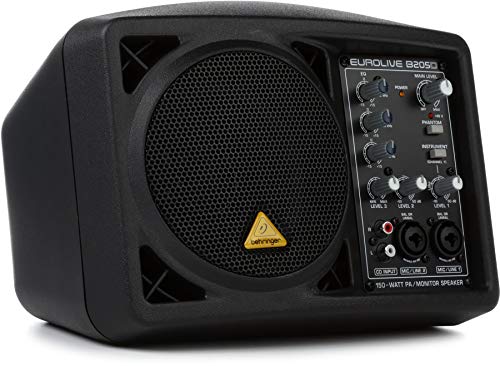
- 150W active Class-D design
- 3-channel mixer with 3-band EQ
- 2 mic preamps with phantom power
Best For: Singers needing a lightweight, flexible monitor for vocals and small setups
Road-Ready Floor Wedge
Peavey PV 12M 12-inch wedge monitor
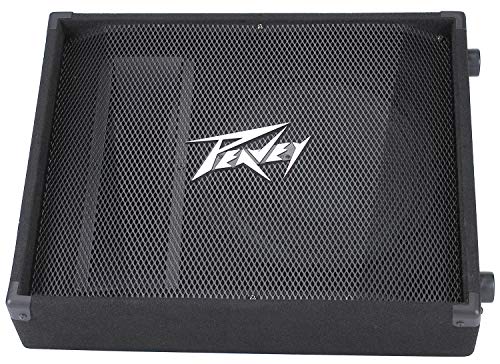
- 500W program / 1,000W peak handling
- 12-inch woofer with titanium compression driver
- 30° or 45° floor angles for stage use
Best For: Vocalists and bands wanting a rugged passive wedge with strong projection
Feedback-Control Monitor
Behringer F1220D powered 12-inch monitor

- Built-in feedback filter
- Integrated limiter for protection
- Multiple wired input options
Best For: Singers wanting a powered monitor with feedback control and broad connectivity
High-Power Active Monitor
Samson RSXM10A 800W active stage monitor

- 800W active output
- 10-inch coaxial 2-way design
- FOH/Monitor switch with XLR link output
Best For: Vocalists, DJs, and performers needing a compact high-output active monitor
Compact Wedge Monitor
Seismic Audio SA-10MTSingle 10" Floor Monitor

- 10-inch 2-way wedge with titanium horn
- 150W RMS / 300W peak output
- Wired 8-ohm monitor with Speakon and 1/4" support
Best For: Vocalists needing a simple floor wedge for smaller stages
Powered Feedback Control
Behringer EUROLIVE F1320D Powered Monitor

- 300-watt active monitor system
- Adjustable feedback filter for vocal use
- 12-inch woofer with 1-inch compression driver
Best For: Vocalists wanting powered monitoring with built-in feedback control
High-Output Stage Wedge
Seismic Audio SA-15MXSingle 15" Monitor
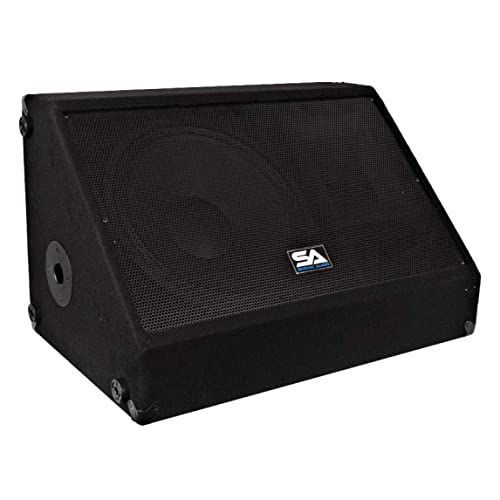
- 15-inch 2-way wedge with titanium horn tweeter
- 350W RMS / 700W peak output
- Carpeted cabinet with handles, rubber feet, and pole mount
Best For: Loud stages and vocalists who need extra monitor headroom
Compact Powered Monitor for Small Vocal Rigs

- 125W RMS / 150W peak Class-D amp
- 3-channel mixer with 3-band EQ
- Supports XLR mics and phantom power
Best For: Small-venue vocalists wanting an all-in-one powered monitor
Road-Ready Wedge for Loud Stage Vocals
Rockville RSM15P 15" Passive Wedge

- 1400W peak passive stage monitor
- 15" woofer with titanium compression driver
- 70° x 50° horn coverage
Best For: Bands and vocalists needing a loud passive floor monitor
Personal In-Ear Monitoring Snake

- Three balanced XLR inputs
- Includes XLR-to-1/4" adapters
- Master and channel volume controls
Best For: Xvive PX-A users building a wired in-ear monitor setup
Compact Vocal Monitor – Behringer B205D active 150W monitor
If you want stage monitors for vocalists that also pull double duty, the Behringer Eurolive B205D is a compact active option built for vocal, keyboard, multimedia, and home recording use. Its 5.25-inch full-range driver, 3-channel mixer, and mic preamps make it a practical pick when you need a small monitor with flexible input handling.
Best For: Singers and performers who want a lightweight, all-in-one monitor for vocals and small setups.
Pros:
- 150-watt active design with Class-D amplification for strong output in a small package
- Ultra-low-noise 3-channel mixer with 3-band EQ for simple on-board control
- Two mic preamps with phantom power support condenser microphones
- 1 instrument-ready input adds flexibility for keyboards or direct instruments
Cons:
- Single 5.25-inch driver means it is not a high-volume full-size monitor
- Best suited to compact monitoring rather than larger stages
Overall, the B205D is a smart choice when portability and versatility matter more than sheer size. For vocalists needing a compact monitor with built-in mixing and mic support, it covers a lot of ground without adding much weight.
Road-Ready Floor Wedge – Peavey PV 12M 12-inch wedge monitor
For stage monitors for vocalists who want a rugged passive wedge, the Peavey PV 12M is built around a 12-inch Sheffield Pro woofer and a titanium-diaphragm compression driver. Its angled floor-monitor design and high power handling make it a solid option when you need vocals to cut through live sound.
Best For: Vocalists and bands needing a durable floor monitor with strong projection.
Pros:
- 500 watts program power handling and 1,000 watts peak capability
- 12-inch Sheffield Pro woofer with 2.5-inch voice coil for solid low-end support
- 14XT compression driver with titanium diaphragm helps vocals stand out
- Can be angled at 30 or 45 degrees for flexible stage placement
Cons:
- Passive design requires external amplification
- At 41 pounds, it is heavier than compact powered monitors
- Large cabinet is less convenient for very small stages
The PV 12M is a workhorse-style monitor for players who prioritize durability and vocal presence. If your setup already includes amplification, it offers a straightforward, road-ready wedge format.
Feedback-Control Monitor – Behringer F1220D powered 12-inch monitor
If feedback control is a priority in stage monitors for vocalists, the Behringer EUROLIVE F1220D brings a built-in feedback filter and limiter to the table. With a 12-inch woofer, 3-inch tweeter, and multiple wired connection options, it is aimed at practical stage and playback use.
Best For: Singers who want a powered monitor with feedback protection and broad connectivity.
Pros:
- Adjustable feedback filter helps manage vocal monitor squeal
- Integrated limiter adds speaker protection and system control
- 250-watt bi-amped design offers powered convenience
- XLR, 1/4-inch TRS/TS, RCA, and Speakon inputs support many setups
Cons:
- Less power than larger stage monitors in this group
- Tabletop mount format may not suit every live-monitor layout
The F1220D is a strong practical choice when you want vocal monitoring with more built-in control. It stands out most for users who value simple protection and feedback management in a powered cabinet.
High-Power Active Monitor – Samson RSXM10A 800W active stage monitor
Among stage monitors for vocalists, the Samson RSXM10A is built for users who want an active wedge with a lot of output in a compact cabinet. Its 800-watt rating, 10-inch low-frequency driver, and FOH/Monitor selector switch make it well suited to live performance and stage monitoring duties.
Best For: Vocalists, DJs, and performers who need a compact high-output active monitor.
Pros:
- 800 watts of output power for strong stage volume
- 10-inch driver and 1-inch tweeter in a compact coaxial design
- XLR-1/4-inch combo input and XLR link output add setup flexibility
- FOH/Monitor selector helps optimize sound for different uses
Cons:
- 10-inch format may not deliver the same full low-end as larger wedges
- Active design requires power at the monitor position
The RSXM10A is a good fit when you want a monitor that can keep up with louder stages without getting oversized. Its feature set favors practical live use, especially if you move between monitor and FOH-style applications.
Compact Wedge Monitor – Seismic Audio SA-10MTSingle 10" Floor Monitor
Seismic Audio - SA-10MTSingle - 10" Floor / Stage Monitor Wedge Style with Titanium Horn
Check Price On AmazonIf you’re comparing stage monitors for vocalists, this Seismic Audio wedge is a straightforward pick for small to mid-size setups. Its 10-inch two-way design and titanium horn are aimed at clear vocal projection on the floor, while the 150 watts RMS rating keeps it in the practical range for rehearsal spaces and live stages.
Best For: Vocalists who want a compact, easy-to-place floor monitor for rehearsals, small gigs, and general stage use.
Pros:
- 10-inch 2-way design with a titanium horn for vocal-focused clarity
- 150 watts RMS / 300 watts peak provides usable stage volume
- 8-ohm wired connectivity with 1/4″ and Speakon support
- Compact wedge-style build at 22 pounds for floor placement
Cons:
- Single monitor only, so stereo setups require buying more than one
- No waterproofing or weather resistance
- Basic feature set compared with powered monitors
This is a practical, no-frills stage monitor for vocalists who care more about placement and output than extra processing features. It fits well as a simple monitor wedge when you need dependable floor monitoring without unnecessary complexity.
Powered Feedback Control – Behringer EUROLIVE F1320D Powered Monitor
For stage monitors for vocalists, this Behringer powered wedge stands out because it combines a 12-inch woofer, 1-inch compression driver, and a feedback filter. That makes it a practical option when you want a monitor speaker system with built-in protection and control for live vocal work.
Best For: Vocalists and small bands that want a powered monitor with feedback control and built-in processing.
Pros:
- 300-watt active monitor design for live and playback use
- Adjustable feedback filter helps manage vocal feedback on stage
- Integrated limiter and sound processor add protection and control
- 12-inch woofer with 1-inch compression driver for full-range monitoring
Cons:
- Heavier than smaller wedge options at 33.1 pounds
- Powered design means it needs corded electric power
- Large 12-inch cabinet may be more than some small stages need
This model makes sense if you want more built-in control than a passive monitor can offer. The feedback filter and limiter are especially useful when vocal clarity and stage management matter more than simple speaker size.
High-Output Stage Wedge – Seismic Audio SA-15MXSingle 15" Monitor
If you need stage monitors for vocalists with more headroom, this Seismic Audio 15-inch wedge is built for louder live environments. It pairs a large 15-inch woofer with a titanium horn tweeter and 350 watts RMS output, making it a strong fit when you want a monitor that can keep up with busier stages.
Best For: Vocalists, bands, and churches that need a larger floor monitor with strong output and broad use cases.
Pros:
- 15-inch 2-way design with titanium horn tweeter
- 350 watts RMS / 700 watts peak for higher stage volume
- Two 1/4″ inputs plus Speakon/1/4″ connectivity support
- Carpeted cabinet, rubber feet, handles, and pole mount for flexible use
Cons:
- Larger and heavier at 40 pounds
- May be bigger than needed for compact vocal setups
- Passive design means it requires external amplification
This is the monitor to look at when a smaller wedge may not deliver enough presence on stage. Its size and output are better suited to louder performance settings where vocal monitoring needs extra power and a more robust cabinet.
Compact Powered Monitor for Small Vocal Rigs – LyxPro SPA-5.5
If you want stage monitors for vocalists that double as a compact powered speaker, the LyxPro SPA-5.5 is built for flexible small-venue use. Its 125W RMS / 150W peak Class-D amp, 3-channel mixer, and 3-band EQ make it a practical all-in-one option for vocals, karaoke, or a simple monitor setup.
Best For: Singers, presenters, and small-venue performers who need a lightweight powered monitor with basic mixing onboard.
Pros:
- Built-in 3-channel mixer and 3-band EQ for quick vocal shaping
- +48V phantom power supports condenser microphones
- XLR, 1/4", RCA, and 3.5mm inputs cover common stage and playback sources
- Can be used as a PA speaker, monitor, guitar amp, or karaoke speaker
Cons:
- Single-unit compact design is better for smaller rooms than high-volume stages
- At 125W RMS, it is not aimed at larger live monitoring rigs
- Best suited to basic setups rather than fully separate monitor systems
Overall, the SPA-5.5 is a versatile low-footprint choice if you want one box that can handle vocal monitoring and simple amplification without extra gear.
Road-Ready Wedge for Loud Stage Vocals – Rockville RSM15P 15" Passive Wedge
For vocalists who need stage monitors for vocalists with more output and a traditional wedge layout, the Rockville RSM15P is built for bigger live setups. It uses a 15-inch woofer, 1.75-inch titanium compression driver, and angled floor-mount cabinet to deliver strong monitor coverage on stage.
Best For: Bands, DJs, and vocal performers who want a high-power passive wedge monitor for live stages.
Pros:
- 1400W peak rating for high-output stage use
- 15" woofer and titanium compression driver for full-range sound
- 70 degree x 50 degree horn coverage helps spread audio across the stage
- Dual 1/4" and Speakon connectors support flexible system hookups
Cons:
- Passive design requires an external amplifier
- At 54.9 pounds, it is not the lightest option to move
- Larger footprint may be more than needed for small rehearsals
If you need a rugged wedge that can handle louder stages and still keep vocal monitoring clear, this Rockville model is a solid passive option.
Personal In-Ear Monitoring Snake – Xvive PX-B Snake
Xvive PX-B Personal in-Ear Monitor Amplifier for Stage Monitors Band Live,Recording
Check Price On AmazonIf your version of stage monitors for vocalists is an in-ear setup, the Xvive PX-B is the connection snake designed to feed a personal monitoring system. It links to a mixing console with three balanced female XLR plugs, includes XLR-to-1/4" adapters, and adds master plus individual channel volume control for dialing in monitor mixes.
Best For: Vocalists using the Xvive PX-A system who want a rugged wired link for personal in-ear monitoring.
Pros:
- Three balanced female XLR inputs for console connection
- Includes XLR to unbalanced 1/4" adapters for added compatibility
- Master and individual channel volume controls help fine-tune monitor balance
- Metal chassis is built for rugged professional use
Cons:
- Requires compatibility with the Xvive PX-A Mixer and PX-H Hub
- Snake-only product, so it is not a complete monitor system by itself
- Designed for wired setups rather than wireless freedom
This is a focused component for personal in-ear monitoring, not a standalone speaker monitor, but it can be a clean solution for singers already committed to the Xvive ecosystem.
How We Picked the Best Stage Monitors for Vocalists
For Stage Monitors for Vocalists, we focused on the factors that matter most during live performance: vocal clarity, usable volume, feedback resistance, portability, and whether the monitor fits small clubs, rehearsals, or louder stages. We also considered setup flexibility, since some singers want a simple wedge while others prefer an active monitor or a personal in-ear solution.
Quick Comparison
In general, compact active wedges are best for singers who want a fast setup and built-in amplification. Larger 12-inch and 15-inch floor monitors usually deliver more low-end and higher output, which can help in louder bands or bigger rooms. Passive models make sense if you already own a power amp, while personal monitor systems are ideal when stage volume needs to stay low.
Key Buying Factors for Stage Monitors for Vocalists
Clarity Over Bass
Vocals need midrange detail more than deep bass. Look for a monitor that keeps speech and singing intelligible at performance volume, even when the band gets loud.
Power and Headroom
More power is not automatically better, but enough headroom helps prevent distortion. If you sing over drums, guitar amps, or playback tracks, prioritize a monitor that can stay clean when pushed.
Feedback Control
Feedback is one of the biggest problems for singers. Features like feedback filters, narrower dispersion, and careful speaker placement can help reduce ringing and squeal without killing your vocal level.
Size and Stage Space
A smaller wedge is easier to place on cramped stages and often works well for solo performers or acoustic acts. Bigger drivers can fill more space, but they may be more than you need for small venues.
Active, Passive, or Personal Monitoring
Active monitors are usually easiest because the amp is built in. Passive monitors are a better fit for existing PA rigs. If you want the cleanest stage and the most personal control, an in-ear style monitor system may be the smartest choice.
Who Should Buy Which Stage Monitors for Vocalists?
Choose a compact active wedge if you want quick setup and reliable vocal monitoring for bar gigs, churches, or rehearsals. Choose a larger floor monitor if your band is loud and you need extra output. Choose a passive monitor if you already have amplification and want to expand your rig affordably. Choose a personal in-ear monitor if you want less stage noise, more isolation, and consistent vocal clarity night after night.
For most singers, the best Stage Monitors for Vocalists are the ones that keep the voice front and center without adding clutter, feedback, or unnecessary bulk.