Choosing the right microphone can make your voice sound cleaner, fuller, and more professional without requiring a treated studio. The best dynamic microphones are especially good at rejecting room noise, handling loud voices, and delivering reliable performance.
Below, we’ve narrowed the field to strong options for podcasting, streaming, and live vocals so you can quickly find the right fit for your setup and budget.
Best 10 Dynamic Microphones Picks for 2026
Legendary Stage Vocal Standard
Shure SM58 Pro XLR Dynamic Vocal Microphone

- Warm vocal tuning with subtle midrange lift
- Cardioid pattern helps reduce feedback and noise
- Rugged metal build for touring and daily use
Best For: Live singers, podcasters, and anyone needing a trusted handheld XLR vocal mic
Simple Handheld Value Pick
Sennheiser XS 1 Handheld Dynamic Microphone

- Cardioid handheld dynamic mic with XLR output
- Includes mute switch, clip, and carry pouch
- Metal build for everyday speech and karaoke use
Best For: Users who want an affordable handheld XLR mic with useful basics
Broadcast Podcast Workhorse
Shure SM7B Dynamic Vocal Microphone for Podcasting & Streaming
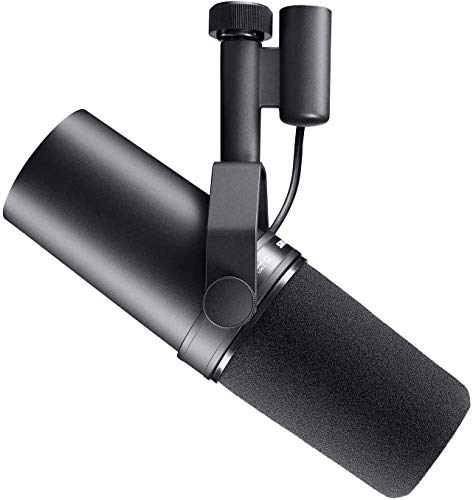
- Warm, balanced vocal sound for speech and recording
- Built-in pop filtering and shock isolation
- Rugged all-metal build with electromagnetic shielding
Best For: Creators who need a broadcast-style dynamic mic for podcasting, streaming, and voiceover
Podcast-First Broadcast Choice
RØDE PodMic Cardioid Dynamic Broadcast Microphone, XLR

- Broadcast-tuned capsule made for speech
- Internal pop filter and shock mounting included
- All-metal build with XLR-only connectivity
Best For: Podcast and streaming setups that need a durable XLR speech mic
OBS-Ready Podcast Pick
Shure MV7+ USB-C & XLR Podcast Dynamic Mic

- USB-C and XLR connectivity
- Voice isolation with real-time denoiser
- LED touch panel with mute control
Best For: Podcasters and streamers who want flexible connectivity and clean vocal sound
Stage-Standard Vocal Choice
Shure SM58 Pro Dynamic Vocal Microphone

- Tailored vocal response for vocals
- Cardioid pickup pattern reduces background noise
- Rugged metal build for live use
Best For: Singers and performers needing a proven handheld vocal mic
Budget-Friendly Gaming Streamer Mic
FIFINE AmpliGame AM8 USB/XLR Dynamic Microphone

- USB and XLR connection options
- Cardioid pickup for noise rejection
- USB mode adds mute, gain, and monitoring controls
Best For: Gamers and beginner streamers who want flexible connectivity with extra desktop controls
Broadcast-Ready XLR Choice
Shure MV7X XLR Dynamic Podcast Microphone

- Dynamic cardioid with voice isolation.
- XLR-only output for interfaces and mixers.
- All-metal build with included mount adapter.
Best For: Podcasters and vocal creators using an XLR setup
All-in-One Gaming Kit
FIFINE AmpliGame AM8T XLR/USB Dynamic Mic Set

- USB/XLR connectivity for flexible use.
- Includes boom arm, clamp, and USB-C cable.
- Cardioid pattern with mute, gain, and monitoring controls.
Best For: Gamers and streamers who want an all-in-one desktop kit
Flexible Podcast Upgrade
Shure MV7+ USB-C & XLR Podcast Dynamic Microphone

- USB-C and XLR for flexible setups.
- Auto Level and denoiser help maintain clean audio.
- LED touch panel adds level monitoring and mute control.
Best For: Podcasters and streamers who want advanced controls and dual connectivity
Legendary Stage Vocal Standard – Shure SM58 Pro XLR Dynamic Vocal Microphone
If you want one of the most established dynamic microphones for live vocals, the Shure SM58 is built around a warm, articulate sound with a subtle midrange lift. Its cardioid pattern helps keep your voice focused while reducing background noise and feedback, making it a practical choice for stage, studio, podcasting, and broadcast work.
Best For: Singers, speakers, and creators who want a proven handheld XLR vocal mic for live performance and general recording.
Pros:
- Fine-tuned vocal response with a subtle midrange lift for clear, present vocals
- Cardioid pickup pattern helps minimize background noise and feedback
- Built-in spherical grille and filter help reduce plosives, breath, and wind noise
- Rugged metal construction is designed for heavy use and touring
Cons:
- Requires an XLR setup such as an audio interface or mixer
- Handheld design may not suit users looking for a desktop broadcast mic
Overall, the SM58 is a straightforward pick if you want dependable dynamic microphone performance with a familiar vocal sound and road-ready durability.
Simple Handheld Value Pick – Sennheiser XS 1 Handheld Dynamic Microphone
The Sennheiser XS 1 is a straightforward dynamic microphone for users who want a cardioid handheld mic with essential pro features. It pairs an XLR connection with a mute switch, carry pouch, and mic clip, making it a practical option for speech, karaoke, mixers, and basic live vocal use.
Best For: Budget-minded users who need a reliable handheld XLR mic for speaking, karaoke, or simple live sound setups.
Pros:
- Cardioid dynamic pickup pattern helps focus on the source
- Includes a mute switch for easy on-the-fly control
- Comes with a mic clip and carrying pouch
- Metal enclosure gives it a solid, durable feel
Cons:
- Requires an XLR input, so it is not a plug-and-play USB mic
- Best suited to basic vocal and speech use rather than specialty studio roles
For shoppers who want a no-fuss dynamic microphone with practical accessories and a simple feature set, the XS 1 keeps things easy and functional.
Broadcast Podcast Workhorse – Shure SM7B Dynamic Vocal Microphone for Podcasting & Streaming
The Shure SM7B is one of the best-known dynamic microphones for speech-heavy recording, with a warm, balanced sound and a cardioid pattern that helps keep room noise under control. Its built-in pop filtering, shock isolation, and rugged all-metal construction make it especially well suited to podcasting, streaming, voiceover, and close-mic studio work.
Best For: Podcasters, streamers, voiceover artists, and studio creators who want a broadcast-style XLR microphone with strong noise rejection.
Pros:
- Warm, balanced vocal tone with wide-range frequency response
- Cardioid pickup and air suspension help reduce background noise and handling vibrations
- Built-in pop filtering and detachable windscreen support clean close-up speech
- All-metal build with electromagnetic shielding for reliable use
Cons:
- Requires an XLR setup and significant gain from an interface or preamp
- Not a compact plug-and-play option for casual users
If you want a serious broadcast dynamic microphone, the SM7B remains a strong choice because it combines classic voice tone with the control creators need in less-than-perfect rooms.
Podcast-First Broadcast Choice – RØDE PodMic Cardioid Dynamic Broadcast Microphone, XLR
The RØDE PodMic is a purpose-built dynamic microphone tuned for speech, with a broadcast-style capsule that helps reject room noise in untreated spaces. It uses XLR connectivity and includes internal pop protection and shock mounting, making it a practical fit for podcasting and desk-based voice recording.
Best For: Podcasters and streamers who want a sturdy XLR broadcast mic that handles speech well in real-world rooms.
Pros:
- Broadcast-tuned dynamic capsule is designed for speech
- Cardioid pickup helps reject room noise in untreated spaces
- Internal pop filter and shock mounting reduce plosives and desk thumps
- All-metal body is built for long-term use
Cons:
- Requires an XLR interface, mixer, or RØDECaster; not a USB mic
- Table-style form factor may not suit every handheld use case
For spoken-word setups, the PodMic offers a focused feature set that prioritizes clean voice capture, simple integration with XLR gear, and durable construction.
OBS-Ready Podcast Pick – Shure MV7+ USB-C & XLR Podcast Dynamic Mic
If you want a dynamic microphone that fits both beginner and pro setups, the Shure MV7+ is built for podcasting, streaming, and recording with USB-C or XLR. Its voice isolation tech, real-time denoiser, and Auto Level Mode are aimed at keeping speech clear without a lot of setup.
Best For: Podcasters, streamers, and creators who want an easy-to-use dynamic mic with modern controls and flexible connectivity.
Pros:
- USB-C and XLR support makes it easy to use with simple or advanced rigs
- Voice Isolation Technology and real-time denoiser help reduce room noise and fan sound
- Auto Level Mode and digital pop filter simplify gain control and plosive reduction
- LED touch panel adds mute control, monitoring, and customizable lighting
Cons:
- More feature-rich than a basic vocal mic if you only need a simple plug-and-play option
- Best fit is voice-focused use rather than general-purpose recording needs
The MV7+ stands out if you want a dynamic microphone that blends creator-friendly software features with flexible hardware options. It is especially practical when you need clean spoken audio and a more polished workflow.
Stage-Standard Vocal Choice – Shure SM58 Pro Dynamic Vocal Microphone
The Shure SM58 is one of the most recognizable dynamic microphones for live vocals, and its sound is tuned to help voices cut through a mix. With a cardioid pickup pattern, internal pop filtering, and rugged metal construction, it is a practical choice for stage and studio work.
Best For: Singers, speakers, and performers who want a dependable handheld dynamic mic for live use and recording.
Pros:
- Tailored vocal response gives vocals warmth, clarity, and presence
- Cardioid pattern helps reject unwanted background noise
- Built-in spherical mesh grille and internal pop filter reduce breath and plosive sounds
- Rugged construction is designed for demanding touring and live performance
Cons:
- XLR-only design means you need compatible gear for use
- Handheld form factor is less versatile than desktop or hybrid creator mics
If you need a no-nonsense vocal microphone with a long track record, the SM58 remains a strong pick. It focuses on consistent live performance and straightforward reliability rather than extra features.
Budget-Friendly Gaming Streamer Mic – FIFINE AmpliGame AM8 USB/XLR Dynamic Microphone
The FIFINE AmpliGame AM8 is a dynamic microphone made for gaming, streaming, and podcast-style recording, with both USB and XLR options. It offers cardioid pickup, tap-to-mute on USB, a gain knob, monitoring support, and RGB lighting for users who want easy control and a more styled desktop setup.
Best For: Gamers, streamers, and beginner creators who want an affordable dual-connection dynamic mic with desktop-friendly features.
Pros:
- USB and XLR connectivity support different setup levels
- Cardioid pickup helps reject off-axis noise for clearer voice capture
- USB mode includes tap-to-mute, gain control, headphone jack, and monitoring
- RGB lighting adds visual customization for gaming setups
Cons:
- Several features, including RGB and some controls, are inactive in XLR mode
- XLR use requires a separate cable and external interface or mixer
The AM8 is a practical choice if you want a dynamic microphone that can start simple over USB and grow into XLR later. It is especially useful for creators who value convenience, monitoring, and a desktop aesthetic.
Broadcast-Ready XLR Choice – Shure MV7X XLR Dynamic Podcast Microphone
If you want dynamic microphones for podcasting, streaming, or vocal recording, the Shure MV7X is built around clean voice capture and a straightforward XLR workflow. Its dynamic cardioid design and integrated shock mount help cut room noise and vibration, making it a practical option for creator setups that already use an audio interface or mixer.
Best For: Podcasters, streamers, and vocal recordists who want a durable XLR mic with focused voice isolation.
Pros:
- Dynamic cardioid pickup with voice-isolating technology helps reduce background distractions.
- XLR-only output works with audio interfaces and mixers for flexible studio control.
- All-metal construction adds durability for regular use.
- Included yoke mount and 3/8″ adapter make it easier to fit common stands and boom arms.
Cons:
- XLR-only design means it is not a plug-and-play USB mic.
- Best suited to setups with an interface or mixer already in place.
Overall, the MV7X is a strong pick if your priority is focused vocal clarity and broadcast-style performance in a classic XLR package. It keeps the feature set practical and centered on sound capture rather than extra onboard effects.
All-in-One Gaming Kit – FIFINE AmpliGame AM8T XLR/USB Dynamic Mic Set
Among dynamic microphones for gaming and streaming, the FIFINE AmpliGame AM8T stands out because it combines the mic, boom arm, and USB/XLR flexibility in one kit. It is designed for PC creators who want simple setup for recording or streaming, while still having the option to move into an XLR chain with a mixer or audio interface later.
Best For: Gamers and streamers who want a starter kit with USB convenience and XLR upgrade potential.
Pros:
- USB and XLR connectivity gives you plug-and-play ease plus studio-style expansion.
- Includes a boom arm, C-clamp, and cable for a more complete desk setup.
- Cardioid pattern and -50dB sensitivity help reduce background noise.
- Built-in mute, gain, headphone monitoring, and volume controls add useful everyday control.
Cons:
- XLR cable is not included.
- RGB lighting may be unnecessary if you want a plain desktop mic.
For buyers who want one package instead of piecing together accessories, the AM8T is a practical and feature-rich option. It focuses on convenience, creator-friendly controls, and flexible connection types for a gaming or streaming desk.
Flexible Podcast Upgrade – Shure MV7+ USB-C & XLR Podcast Dynamic Microphone
If you are comparing dynamic microphones for podcasting or streaming, the Shure MV7+ adds more onboard control than a basic XLR mic while still keeping studio flexibility. Its USB-C and XLR outputs make it easy to start with a simple computer setup and later switch to an interface or mixer, while the LED touch panel and auto-level features help streamline everyday use.
Best For: Podcasters and streamers who want modern onboard controls plus both USB-C and XLR connectivity.
Pros:
- USB-C and XLR outputs support both plug-and-play and studio-connected workflows.
- Auto Level Mode helps keep gain consistent based on distance and volume.
- Real-time denoiser is designed to reduce background noise.
- LED touch panel adds level monitoring and tap-to-mute control, with customizable colors.
Cons:
- The built-in effects and controls may be more than some users need.
- Best fit for creators who will actually use the advanced onboard features.
The MV7+ is the most feature-rich option in this group, especially if you want a mic that can adapt as your setup grows. It balances convenience and pro-style connectivity while adding useful controls for recording, calls, and livestreams.
How We Picked These Dynamic Microphones
We focused on vocal clarity, background-noise rejection, connection options, build quality, and overall value. Because Dynamic Microphones are often used in real-world rooms rather than perfect studios, we favored models that stay usable in less-than-ideal spaces while remaining easy to position and operate.
Quick Comparison
For recording-focused buyers, XLR-only models often deliver the simplest path to a clean, upgradeable audio chain. USB-C and dual-output options are more flexible for beginners, streamers, and hybrid creators who want to plug in quickly now and expand later. Broadcast-style designs are typically best for close-mic voice work, while handheld models are better for stage use and versatile vocal recording.
Key Buying Factors for Dynamic Microphones
Connection Type
Choose USB if you want the easiest setup, XLR if you already have an interface or mixer, and dual USB/XLR if you want both convenience and future expandability.
Pickup and Voice Rejection
A tight cardioid pattern helps reduce keyboard noise, room echo, and off-axis sound. This matters most for streamers, podcasters, and home creators working close to a desk.
Gain Requirements
Some Dynamic Microphones need more preamp gain than others. If you record quietly or use a basic interface, you may need an external preamp, inline booster, or an interface with strong clean gain.
Use Case and Form Factor
Handheld models suit live vocals and general versatility. Desktop broadcast mics are usually better for spoken-word recording. Gaming and podcasting models often add convenience features like USB connectivity or bundled stands.
Who Should Buy Which Dynamic Microphones?
If you want a proven all-rounder for stage or general voice work, a classic handheld dynamic microphone is hard to beat. If your priority is podcasting or streaming, a broadcast-style or dual-output mic offers better desk-side practicality. If you’re building a simple home setup, USB-capable models can remove a lot of setup friction. For creators planning to grow into a more advanced chain, XLR models are usually the best long-term choice.
In short, the best Dynamic Microphones are the ones that match your room, your recording workflow, and how much control you want over your sound. Pick for use case first, then narrow by connection, gain needs, and included accessories.